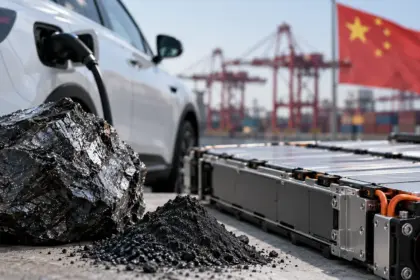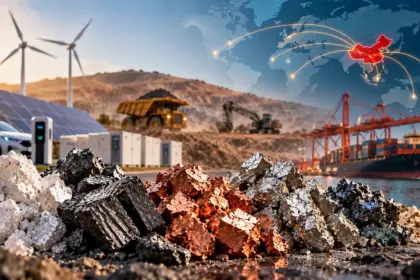

Shandong Province has announced plans to make a significant investment of $14 billion in the lithium battery industry by 2025. This move is expected to have a major impact on the region’s economic development and contribute to the growth of the renewable energy sector. The investment demonstrates the province’s commitment to staying at the forefront of technological advancements and positioning itself as a key player in the global market. With this substantial investment, Shandong Province aims to bolster its position as a leader in the lithium battery industry and capitalize on the increasing demand for clean energy solutions.
Strategic Investment in Renewable Energy
The Shandong Provincial Government has revealed its plans to establish a complete ecosystem for lithium batteries, covering everything from raw material supply to battery production and recycling. This development scheme is a crucial component of China’s comprehensive national strategy to attain carbon neutrality by 2060 and decrease its dependence on fossil fuels. With a substantial increase in its lithium battery production, Shandong is poised to meet the growing demand for electric vehicle batteries and energy storage solutions, both at home and abroad.
Rare Earth
- Tesla Stock Surge Drives Demand for Critical EV Minerals
- Mexico Seeks Agreement with Chinese Lithium Firm Over Disputed Mining Concessions
- Cobalt Conflict Intensifies in Indian Ocean Over India and China-Backed Sri Lanka in Mining Rights
- Strengthening UK-Zimbabwe Trade Relations: A Focus on Critical Minerals
- Manganese Market Sees Surge in Prices Amid Supply Disruptions
The Effects on the Economy and the Environment
The $14 billion investment will be distributed among various important sectors:
- Developing state-of-the-art facilities to process lithium and other crucial minerals.
- Battery Manufacturing: Constructing cutting-edge production facilities equipped with advanced technology to enhance efficiency and productivity.
- Advancing Research and Development: Investing in cutting-edge technology to enhance battery performance, including energy density, charging speed, and longevity.
- Recycling Programs: Introducing effective recycling systems to manage batteries at the end of their life, minimizing harm to the environment and reclaiming valuable materials.
Shandong’s plan is anticipated to generate a multitude of employment opportunities, stimulate the local economy, and entice investments from around the world. In addition, through the improvement of its technological capabilities, the province is striving to establish itself as a leading center for lithium battery production on a global scale.
Overview of the Market
China is currently a major player in the global lithium battery market, with companies like CATL and BYD leading the way. Shandong’s initiative is set to enhance China’s standing by promoting healthy competition and encouraging innovation in the industry. The province’s commitment to sustainability and efficiency is in line with current global trends, which place a strong emphasis on green technologies and renewable energy solutions.
In order to successfully execute its plan, Shandong will need to overcome a number of obstacles. These include ensuring a consistent source of raw materials, effectively addressing the environmental consequences of mining and battery production, and keeping up with rapid technological advancements.