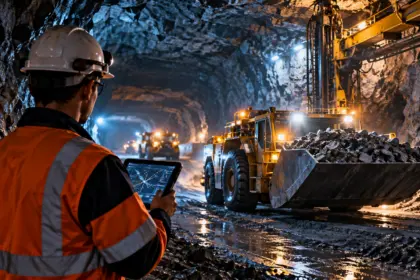

Global mining giants BHP Group (BHP.AX) and Rio Tinto (RIO.AX) are facing class action lawsuits alleging pervasive sexual harassment at their Australian mine sites, law firm JGA Saddler announced on Wednesday. The suits accuse the companies of fostering unsafe workplaces and retaliating against women who reported abuse.
The claims, potentially involving thousands of female workers, spotlight longstanding concerns over gender safety in the mining industry, where women have historically faced challenges related to workplace culture and inclusivity.
Related news
- Mining Occupational Safety Challenge: Industry Faces High Injury Rates Amid Gaps in Training
- Rio Tinto and Sumitomo Join Forces to Propel the Winu Copper-Gold Project
- ICMM Sets New Standards for Diversity and Inclusion in the Mining Industry
- Biden’s African Visit: Spotlighting Africa’s Critical Minerals and U.S.-China Rivalry
Allegations of Harassment and Retaliation
The lead plaintiff in the case against Rio Tinto, who requested anonymity, described enduring weekly sexual harassment while working as a security guard on the company’s Australian sites. Her statement alleged that a colleague sent her unsolicited explicit photos and videos, including graphic footage from his on-site room. Despite her complaints, Rio Tinto allegedly allowed the perpetrator to resign quietly while she faced professional setbacks.
“I was overlooked for opportunities to upskill after I reported the abuse,” the lead plaintiff said.
Similarly, the lead plaintiff in the BHP case shared accounts of harassment and expressed fear of career or personal repercussions for reporting abuse. “There have been times I haven’t reported an incident for fear of what might happen to my career, my job, and my personal safety,” she said.
Industry Giants Respond
BHP and Rio Tinto both issued statements emphasizing zero-tolerance policies for harassment and pledging to ensure workplace safety.
BHP apologized to anyone who had experienced harassment, stating, “Sexual harassment has no place in our workplaces or indeed anywhere. We are committed to providing a safe and respectful workplace for everyone.”
Rio Tinto, acknowledging the Federal Court claim, reiterated its stance on workplace safety and culture. “We do not tolerate any form of sexual harassment or sex-based harassment. We take all concerns about workplace safety, culture, and breaches of our code of conduct extremely seriously,” a spokesman said.
Historical Context and Findings
The lawsuits follow a damning 2022 Western Australia state government review, which revealed unsafe working conditions for women in the mining sector, including incidents of sexual assault and harassment.
According to JGA Saddler lawyer Joshua Aylward, both companies knowingly placed women in high-risk environments and retaliated when they voiced concerns. “BHP and Rio Tinto have sent female staff to these sites knowing there was a high risk of personal danger, and then punished them with demotion, dismissal, or discrimination when they reported it,” Aylward stated.
Class Actions Gain Support
The lawsuits are being funded by litigation financier Omni Bridgeway (OBL.AX). JGA Saddler anticipates that the class actions will attract a significant number of participants, amplifying