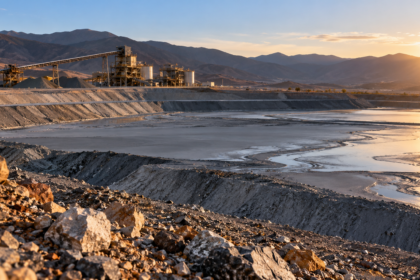
“Ensuring adequate water storage capacity in the process ponds of the mines is necessary for optimal functioning of the mineral treatment plants, which requires periodic desilting.”
As per Lee Vine, managing director of Integrated Pump Rental, whose company is always called upon to urgently attend to the processing of silted-up ponds, “While too much silt in these ponds can disrupt plant operations, this situation also raises the risk of over-topping which can lead to costly environmental damage.”
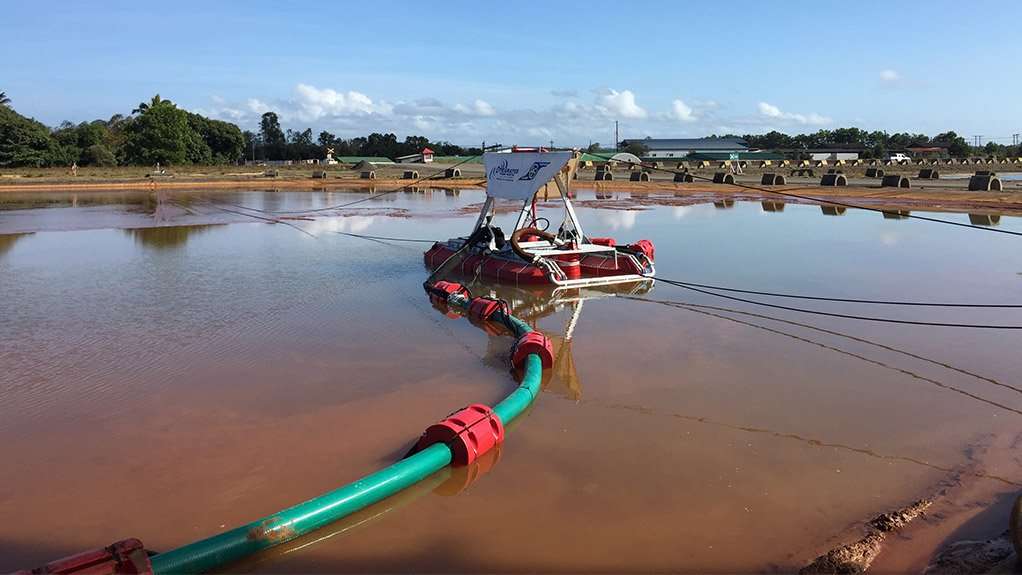
The issue can be easily solved by our locally developed SlurrySucker system. Ideally, mines will have a pond monitoring strategy and a daily desilting operations schedule. The in-house SlurrySucker system can readily address the problem. Ideally, mines would have a pond monitoring function and a regular schedule for desilting operations. Strategies include greater reuse of water from mines. It is mostly possible to observe the bank of silt building up once it fills about 40 percent of a pond’s volume. With our proven technology, the desilting can be conducted effectively by just a couple of operators with required training,” he says.
The cost of desilting will cover the recovery of the value of the minerals. On a turnkey contract basis, Integrated Pump Rental may supply the desilting service or rent the required equipment to the mine. For others, investing in their own SlurrySucker unit might make sense. “If mines wish to do the work in-house, training their staff and fully supporting the machinery, and all the necessary engineering and maintenance services,” he says.