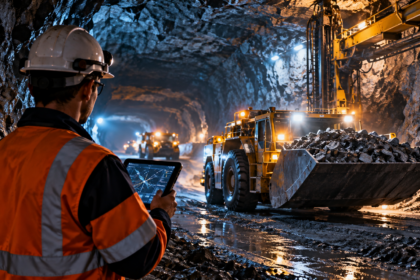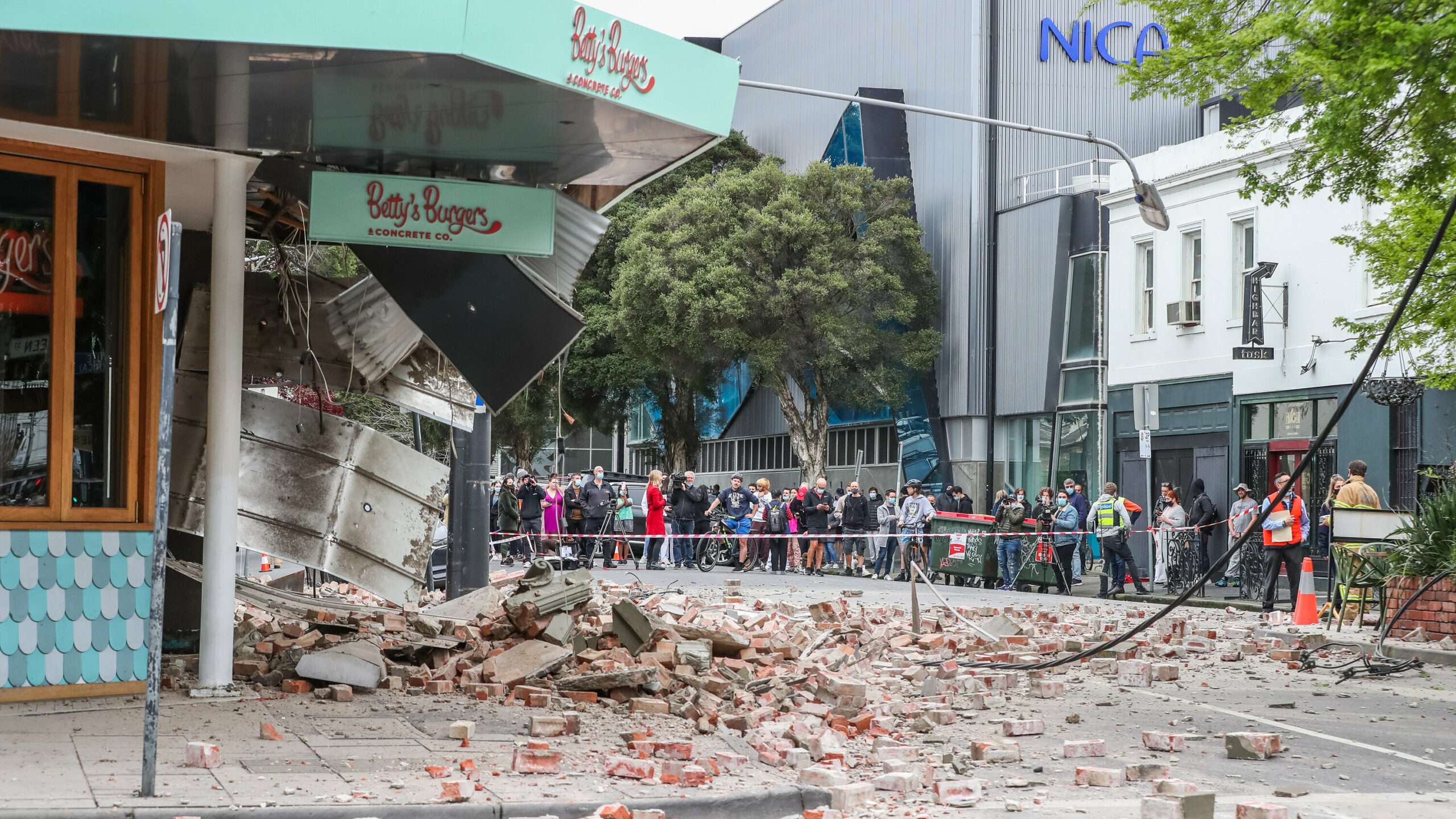
Workers from two gold mines near the epicenter of Victoria Australia’s 5.9-magnitude earthquake have been safely transported to the surface, according to two companies.
The State Emergency Service of Victoria (SES) said that several buildings in the town of Mansfield had been damaged. Still, there were no reports of casualties or damage at two adjacent mines. Kaiser Reef Mining, which runs the A1 gold mine near Mansfield, said about 12 workers were underground at the tremor time but had been safely evacuated. The business said that activities had been halted while thorough inspections were conducted, but there was no apparent damage to the facility.
White Rock Minerals has halted underground activities at its Woods Point gold project in Victoria after an earthquake near Mansfield. The White Rock Minerals Woods Point facility, located 60 kilometers south of the projected epicenter, experienced considerable shaking during the earthquake.
You might be interested in
- Uranium, Nuclear Subs & the Australian Big Stick
- Metso Outotec to supply cutting-edge flotation technology for nickel concentrators in Australia
- US, Norwegian investors pressure SBI over loan to Adani mine in Australia
- Metso Outotec complements stirred mills with complete Stirred Mill Plant Units for fine-grinding solutions
Nine employees were underground at the time, and all staff are now safe and accounted for.
White Rock Minerals, which runs the Woods Point gold mine approximately 60 kilometers from the quake’s epicenter, said that despite “severe shaking,” there were “no early indications of damage.” The firm stated that all nine underground employees have been accounted for and are now safely back on the surface.