Arizona Rep. Grijalva has introduced a proposal that would protect a historic tribal site from destructive mining for the long term.
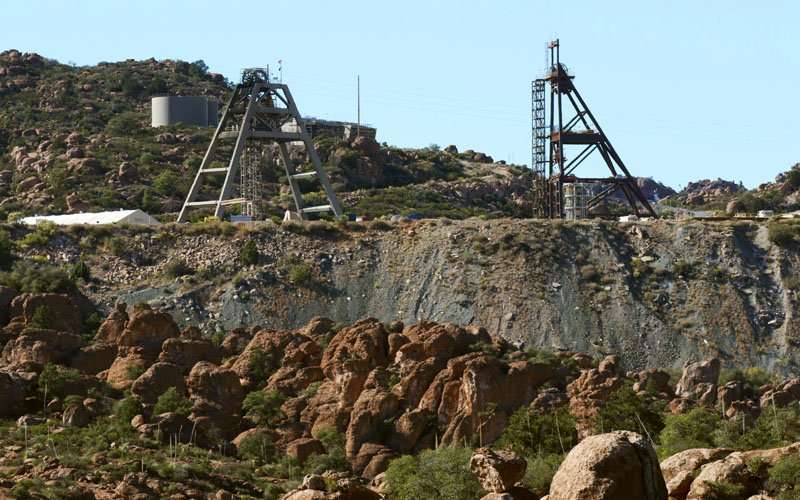
In order to prevent destructive mining plans in the Oak Flat area of Tonto National Forest, Dr. Raul Grijalva (D-Arizona) introduced the Save Oak Flat Act. Oak Flat is considered sacred by many tribes, including the San Carlos Apache Tribe, which has struggled for years to prevent its extraction by Resolution Copper, a joint project between BHP and Rio Tinto.
Oak Flat, or Chi’chil Bildagoteel, is holy to several tribal groups in Arizona, notably the San Carlos Apache Tribe, which has fought a years-long attempt by Settlement Copper, controlled by international law mining giants BHP and Rio Tinto, to mine the area. Since the inclusion of an unrelated clause in the 2015 National Defense Authorization Act requiring the federal government to transfer 2,422 acres of Tonto National Forest property to Settlement Copper in compensation for less valuable land elsewhere, Grijalva has been at the forefront of the issue.
An environmental impact statement issued in the last hours of the previous administration was revoked by the Biden administration. It would have completed a land exchange between the Tonto National Forest and Resolution Copper, allowing the project to proceed.
Chair Grijalva and colleagues replied to interim Agriculture Secretary Kevin Shea on February 19, asking that the document be reviewed owing to its rushed timing and political nature. Grijalva has been at the forefront of the issue since an unrelated provision in the 2015 National Defense Authorization Act required the government to transfer 2,422 acres of Tonto National Forest property to Settlement Copper in compensation for less valued acreage elsewhere.
“The San Carlos Apache never asked for this property to become a political issue,” Grijalva added, “but this is not a fight we’re going to lose.” “I’ll work to advance this legislation, to ensure that this land is protected, and to demonstrate that you don’t have the right to target local Americans for profit. The Biden committee did its job by removing the Trump administration’s politically motivated analysis, and this property will be protected permanently so that we may move forward in a more rational manner.”
You might be interested in
- A proposal by Rep. Grijalva to permanently protect a historic tribal site from destructive mining has been introduced in Arizona.
- Trump officials are rushing to mine in a desert area which is considered to be holy by native tribes
- The Western United States is a national treasure
- Kerr Mines and Star Royalties reach an agreement over a £13.6 million streaming deal
“Big companies have too often placed profits before Native American rights,” Sen. Warner said. Bernie Sanders (I-Vt.), the author of the Senate’s similar bill. Hundreds of thousands of Americans are opposed to the transfer of our natural resources to foreign corporations and it is terrible that a secret deal in Washington will destroy this sacred site.”
To raise awareness of the issue, on March 12, 2020, the committee held an oversight conference titled, The Irreparable Environmental and Cultural Impact of the Proposed Resolution Copper Mining Operations. In the following years, the Natural Resources Committee will conduct a hearing on the proposed legislation.
The San Carlos Apache never wanted this property to become a political issue, but we’re not going down without a fight,” Grijalva stated today. The passing of this law will protect Native American property, as well as demonstrate they cannot be bullied by profit-oriented bullies. The Biden administration did its duty to remove the Trump administration’s politically driven analysis. Now that we can go ahead more logically, this land will be preserved in the long run.