One Canadian gold miner has virtually shut down its Arctic activities due to increased infections from the omicron strain of COVID-19, which is threatening to postpone deal-making in the face of more burdensome regulations.
Canada’s record-high infection rates did not yet force the massive industrial shutdowns that occurred in the first half of 2020, but closures had already started. The Meliadine, Meadowbank, and Hope Bay gold mines of Agnico Eagle Mines Ltd. in Nunavut have been closed for at least three weeks following an epidemic of cases. Agnico expects “limited output” during this period, according to the firm. To make site inspections and conference attendance more difficult, provincial governments have reinstated stricter regulations on travel and big gatherings. In contrast, the federal government has recommended Canadians avoid unnecessary travel.
- United Mine Workers Of America Union Refused To Comment On MSHA’s Lack Of A Covid-19 Vaccination Requirement
- More Than 287,000 Covid-19 Tests Were Performed In South Africa
- This next COVID-19 event is likely the most disruptive event since the start of the Great Depression.
- Despite Covid-19, Rwanda’s mining sector boomed.
- Covid-19: Unsung mining heroes brave odds to produce coal, keep power plants running.
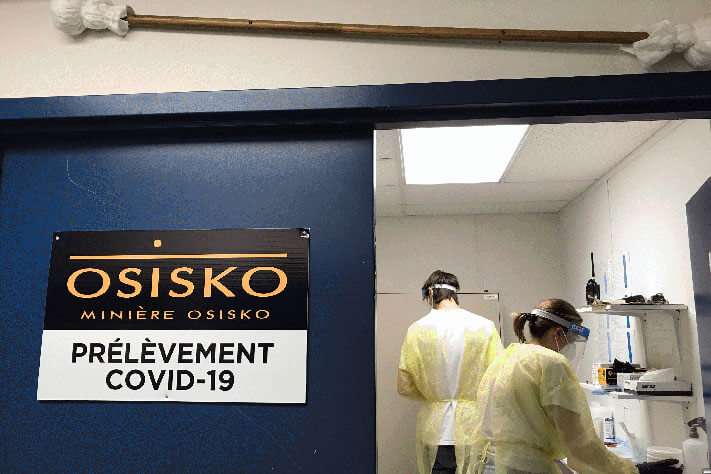
It’s becoming more difficult to enter Canada these days, so I don’t expect as many people to come to conferences in Vancouver or Toronto,” says Riverside Resources Inc. CEO John-Mark Staude. Riverside regularly works with big mining companies on its projects. M&A, property optioning, and deal flow might be significantly impacted by this.” Omicron’s influence on Canadian business has been minimal so far, with some industries resorting to more strict health and safety measures established during previous waves of the pandemic. An email from Executive Chairman and CEO John Burzynski reveals that although Osisko Mining Inc. has begun doing additional COVID-19 testing, the company’s exploration and development activities haven’t slowed down.
Late in the summer, Burzynski lowered the testing frequency; now, he says, “we have gone back to full testing.” Workers are examined and tested when they arrive on-site, throughout two-week rotations, and one more before returning to vulnerable areas. London’s FTSE 100 index finished down on Tuesday as investors fretted over the Omicron variant. The pest control company Rentokil and the telecoms behemoth BT Group have both been affected by takeovers and rumors of shareholder changes.
A senior Oanda market analyst tells CNN that “Omicron has obviously put a large cloud of uncertainty over the prospects for the economy in the next few months, just as many nations were prepared for tighter monetary policy.” As a result of its employees, Agnico may be adopting an especially guarded attitude. In Canada, First Nations people are seen as more susceptible to COVID-19 than the general population because they are more likely to reside in rural areas far from big hospitals.
According to an email from Haywood Securities analyst Kerry Smith, “They have to be extra careful with First Nations.”
GF Futures steel prices decreased during the night session due to the new coronavirus type. They also noted that the effect on actual demand and supply for industrial metal might be limited. CITIC Futures analysts also stated that the pandemic scenario might put pressure on commodities prices in the near term but that loosening Chinese property policies would boost them for a long time. As stated by the World Health Organization, Omicron’s severity may take “days to several weeks” to identify whether its symptoms are distinct from those of other forms of the disease.