Environmental Protection Agency (EPA) Calls for Transition to Modern Techniques in Small-Scale Mining

In a bid to protect human lives and preserve the environment, Ghana’s Environmental Protection Agency (EPA) has issued a compelling call for small-scale miners to mercury elimination methods and embrace modern techniques. The urgent plea comes amidst growing concerns over the detrimental impact of mercury on both human health and ecological systems, highlighting the critical need for immediate action to address the mercury pollution crisis.
Mercury: A Looming Threat
Mercury, a highly toxic substance, poses a grave threat to human health and the environment, particularly in artisanal and small-scale gold mining (ASGM) activities. Globally, ASGM is the largest user of mercury, emitting a staggering 727 tonnes annually into the atmosphere, accounting for approximately 35 per cent of global air emissions. Moreover, an estimated 800 tonnes of mercury are released into water bodies, exacerbating environmental degradation and endangering aquatic ecosystems.
Ghana’s Mercury Menace
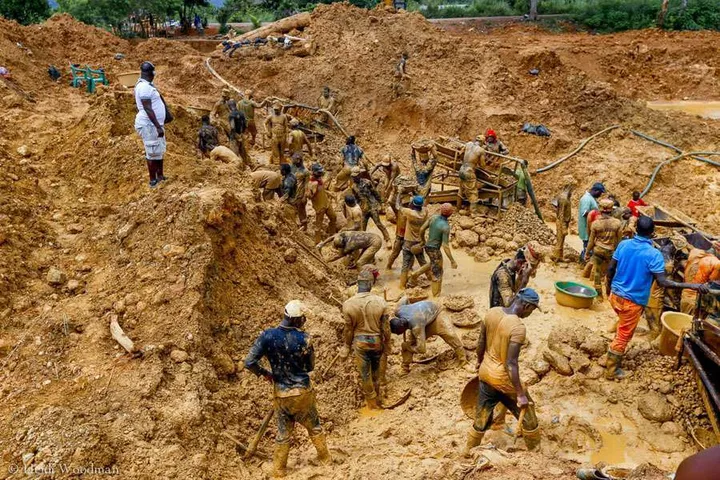
In Ghana, ASGM operations have long relied on mercury for the amalgamation of gold, leading to widespread contamination of land and water resources. Illegal gold mining, commonly known as galamsey, has further exacerbated the mercury pollution crisis, with research by the UN Environment Programme (UNEP) revealing alarming levels of mercury contamination in river bodies such as the Birim, Enu, Pra, Bonsa, and Ankobra. The consequences of mercury poisoning in affected communities are dire, ranging from permanent brain damage and seizures to stillbirths and kidney malfunctioning.
Relatd news
- Senegal’s Small Scale Gold Miners Still Use Poisonous Mercury – How to Reduce the Harm
- Brazil struggles to remove illegal miners’ mercury legacy
- Aidarken, A 10,000-Person Town, Started Mining Mercury In 1941
- South Africa plans to procure 5GW of renewable energy, 2GW of gas power and 615MW of battery storage
- Columbia and Brazil raze illegal mining dredges in Amazon
Mercury Elimination: A Call for Action
Recognizing the urgent need to address the mercury menace, the EPA has called for the immediate cessation of mercury use in ASGM operations. Emphasizing the devastating health effects and environmental degradation caused by mercury pollution, the EPA underscores the importance of transitioning to safer and more sustainable mining practices.
Global Efforts and Initiatives
The push for mercury elimination is part of a broader global effort to reduce mercury use and pollution. The Minamata Convention on Mercury, a landmark international agreement adopted by over 120 countries, aims to significantly reduce and ultimately eliminate mercury releases into the environment. Inspired by the tragic Minamata Disease incident in Japan in 1956, the convention underscores the need for collective action to safeguard public health and the environment from the ravages of mercury poisoning.
Mercury-Free Alternatives
Fortunately, alternative methods for artisanal small-scale gold mining, collectively known as Mercury-free Concentration Methods, offer a safer and more sustainable path forward. These methods, including chemical leaching, panning, sluicing, and spiral concentrators, eliminate or greatly reduce the need for mercury while increasing gold recovery rates. By promoting the adoption of these techniques, Ghana aims to mitigate the health risks associated with mercury exposure and protect its precious natural resources for future generations.
Government’s Role and Responsibilities
As the EPA issues its crucial call for mercury elimination, stakeholders are urging the Ghanaian government to bolster efforts to combat illegal mining and enforce existing legislation and international conventions. By prioritizing the elimination of mercury in mining practices and supporting the adoption of mercury-free alternatives, Ghana can pave the way for a more sustainable and environmentally responsible mining industry.
In conclusion, the urgent need for mercury elimination underscores the imperative of collective action to safeguard human health and protect the environment. With concerted efforts and decisive measures, Ghana can lead the way towards a mercury-free future for its mining sector and ensure a safer and healthier tomorrow for all its citizens.