
Sydney, Australia – Whitehaven Coal Ltd (ASX), Australia’s largest independent coal miner, forecasted further gains in metallurgical coal prices on Friday, citing global supply constraints and rising seaborne demand, especially from India. This optimistic outlook, along with stronger-than-expected production figures for the recent quarter, pushed the miner’s shares up by nearly 8% to AUD 6.92, marking its strongest session since August.
Market Supply Constraints Lift Coal Price Outlook
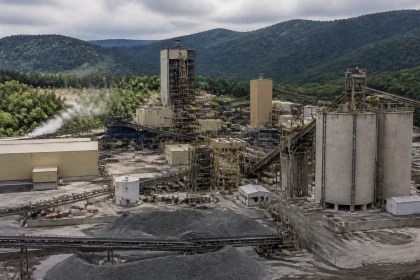
Despite a global shift toward renewable energy, Whitehaven remains bullish on metallurgical coal prices, pointing to limited global production capacity and increased demand in markets like India and Southeast Asia. The company’s acquisition of two metallurgical coal mines from BHP for AUD 4.1 billion last year has expanded its presence in key Asian markets. This acquisition positions Whitehaven to benefit from tightening supply conditions, which CEO Paul Flynn suggests are unlikely to ease soon.
Tim Waterer, a market analyst at KCM Trade, echoed Whitehaven’s optimism: “There have been some ongoing questions about coal demand given the global focus on other energy sources, but for now, the numbers from Whitehaven today provided near-term comfort to investors.”
Production Exceeds Expectations, Driven by Queensland Mines
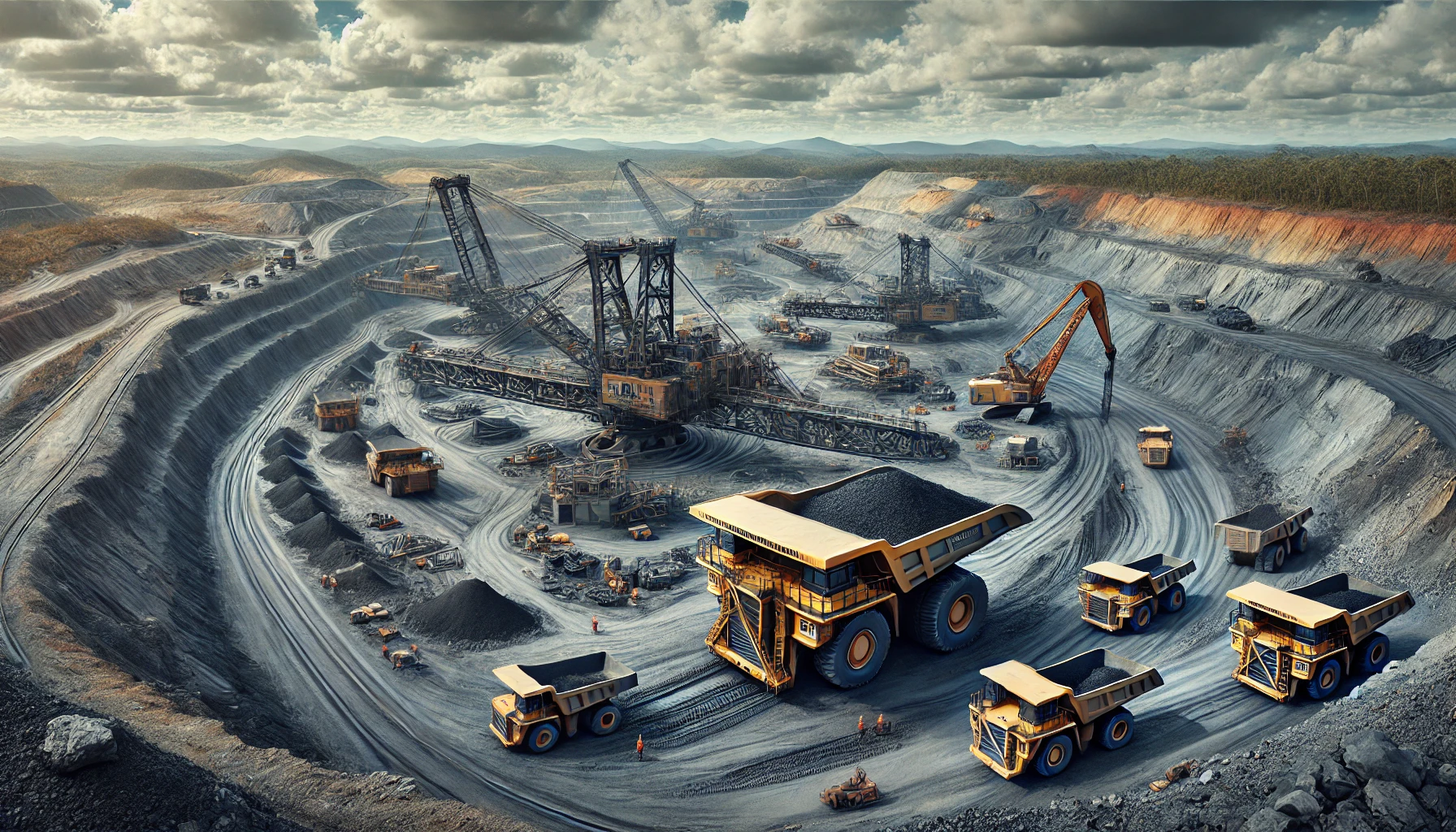
Whitehaven’s managed run-of-mine (ROM) production reached 9.7 million metric tons for the quarter ending in September, exceeding analysts’ expectations of 9.1 million tons and marking an 83% increase over the same period last year. Queensland operations, including the mines acquired from BHP, contributed significantly, producing 5.3 million tons—a 11% rise from the previous quarter.
“In Queensland, we are seeing productivity gains and cost improvements,” Flynn stated, underscoring the segment’s role in supporting Whitehaven’s expansion into the Asian steelmaking market.
Meanwhile, production at Whitehaven’s New South Wales operations declined by 18%. The company expects both output and sales from this region to rebound in the second half of the fiscal year.
Coal Prices and Global Demand Dynamics
Whitehaven realized an average coal price of AUD 238 (USD 157.89) per ton for the quarter, up slightly from AUD 224 a year earlier, reflecting steady demand despite volatile global energy markets. This quarterly performance aligns with broader industry trends as Asian economies continue to drive demand for metallurgical coal, essential for steel production.
India’s infrastructure and manufacturing sectors, alongside other Southeast Asian markets, have proven resilient in their demand for Australian coal—a trend Whitehaven expects will continue, supporting price stability.
Stock Market Reaction and Investor Sentiment
Whitehaven’s strong production report resonated with investors, sending shares up by as much as 7.8% on Friday, outpacing a 0.5% gain in the benchmark stock index. The company’s focus on enhancing productivity and managing costs appears to be paying off, reinforcing its appeal amid ongoing energy market uncertainties.
Future Outlook: Balancing Demand with ESG Pressures
While Whitehaven’s near-term outlook is bright, the company faces evolving environmental, social, and governance (ESG) pressures as global economies prioritize clean energy. Nevertheless, metallurgical coal remains integral to the steel industry, and with infrastructure demands growing in emerging economies, Whitehaven’s expanded Queensland operations may serve as a strategic hedge against ESG-driven industry headwinds.
Whitehaven Coal’s robust quarterly results underscore the resilience of the metallurgical coal sector despite the broader shift toward renewables. With demand from Asia and a constrained supply pipeline, the company is well-positioned to capitalize on favorable market dynamics. Balancing growth with sustainability and investor expectations, however, will be key as the industry evolves.