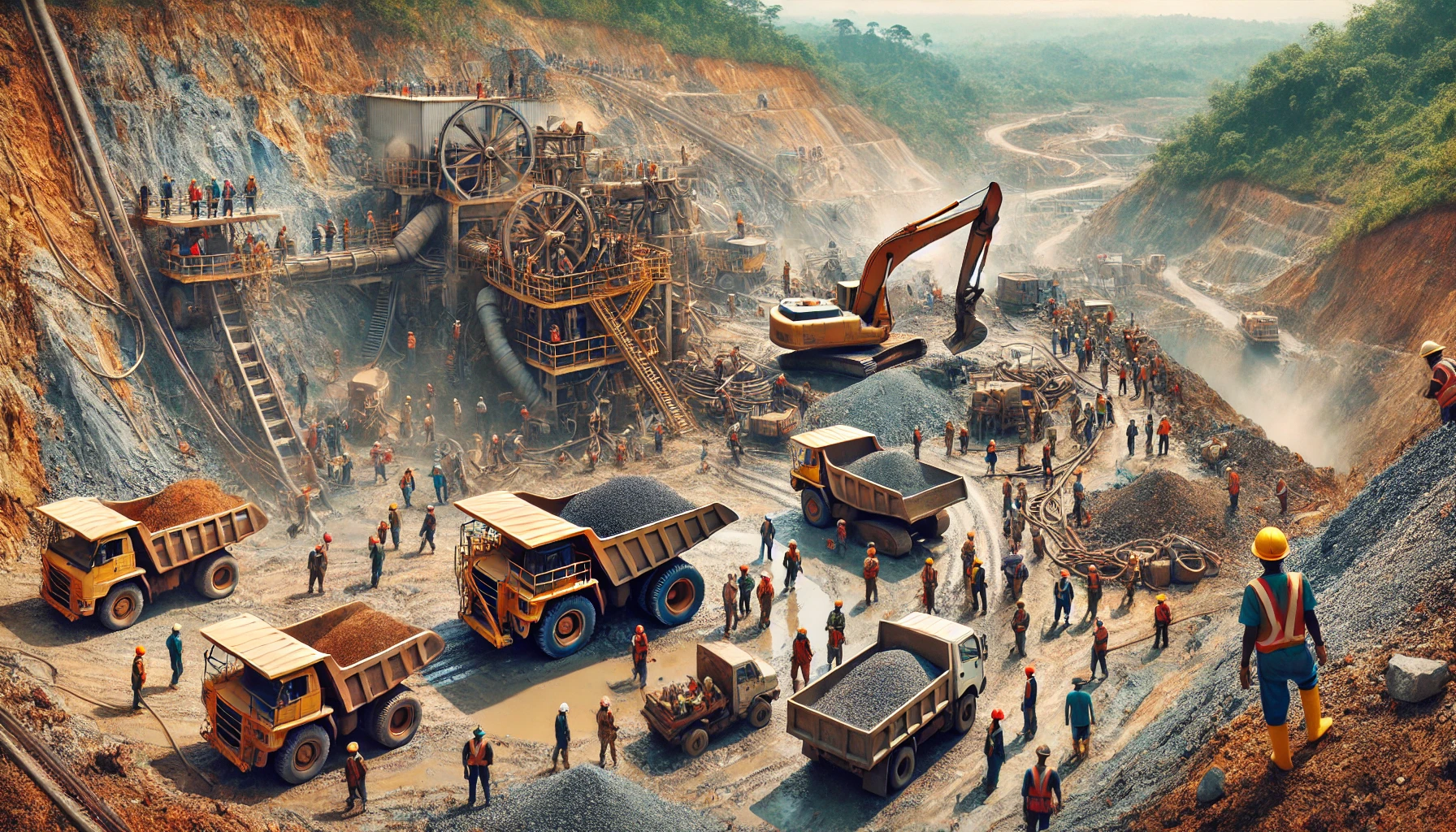
Sierra Leone’s mining sector reached a pivotal milestone in 2023, with employment increasing by 207% compared to 2022. According to the Extractive Industries Transparency Initiative (EITI) report for 2022–2023, released on December 30, 2024, the sector employed 32,443 people in 2023, up from just 10,539 the previous year. Despite this growth fueling local economies and boosting national revenues, persistent gender imbalances and operational challenges remain.
Surge in Domestic Employment
The employment boom was largely driven by domestic hires, which grew by an astonishing 246%, from 9,076 workers in 2022 to 31,408 in 2023.
- Men Leading Permanent Roles: Permanent male workers saw the largest growth, rising from 8,597 in 2022 to 27,932 in 2023.
- Temporary and Contract Jobs: Non-permanent positions expanded from 479 in 2022 to 3,476 in 2023, including male and female employees.
- Women’s Participation Still Low: Female employment increased by 238%, from 1,048 in 2022 to 3,544 in 2023. However, women made up just 10.9% of the workforce, underscoring significant gender disparities.
Meanwhile, foreign employment grew modestly, rising from 437 workers in 2022 to 539 in 2023. The share of foreign workers in the total workforce fell from 4.1% to 1.7%, reflecting a shift toward prioritizing domestic hiring.
Related news
- Biden Administration Grants Permit for Perpetua Resources Stibnite Project in Idaho
- Biden Offshore Drilling Ban: A Last-Ditch Effort to Cement U.S. Coastal Protections
- Mining Industry Faces Crucial Crossroads Amid Decarbonization and Demand for Critical Minerals
- Saudi Mining Innovation Program: Transforming Saudi Arabia’s Industrial Future
Key Mining Companies Driving Job Growth
Major mining companies contributed significantly to the employment surge:
- Kingho Railway and Port Co. Ltd: Workforce numbers soared from 2,382 in 2022 to 22,184 in 2023, making it the largest employer in the sector.
- Kingho Mining Company: Employment grew by 75%, from 2,526 workers in 2022 to 3,950 in 2023.
- Marampa Mines Ltd: Increased iron ore production led to a 49% workforce expansion, from 997 in 2022 to 1,484 in 2023.
- FG Gold Ltd: Employment rose from 205 in 2022 to 339 in 2023, reflecting a rise in gold mining activity.
- Sierra Rutile Ltd: Employment declined slightly, from 2,371 in 2022 to 2,065 in 2023, raising questions about operational sustainability.
Economic and Social Benefits
The employment boom has had widespread economic and social benefits:
- Higher Revenues: Increased employment has boosted household incomes and contributed to greater tax revenues.
- Community Development: Job creation in mining communities has stimulated local economies, reduced poverty, and improved living standards.
- Local Workforce Prioritized: The government’s push for workforce localization has ensured a larger share of mining profits stays within Sierra Leone.
Persistent Sector Challenges
Despite its successes, the mining sector still faces critical challenges:
- Gender Inequality: Women remain underrepresented, accounting for just 10.9% of the workforce. Policies promoting gender equity in hiring are needed.
- Operational Instability: The employment decline at Sierra Rutile Ltd signals potential vulnerabilities in operational sustainability.
- Job Quality Concerns: Ensuring fair wages, workplace safety, and favorable conditions is crucial as the workforce grows.
Looking Ahead: Sustaining Progress
Sierra Leone’s mining sector has proven its potential to drive economic recovery and community development. However, addressing structural issues, such as gender disparities and operational inconsistencies, is essential to sustain this progress.
With targeted policy reforms and continued investment in local talent, the sector could achieve even greater success, creating a foundation for inclusive and sustainable economic growth.