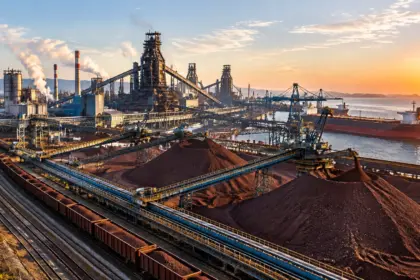

The recent closure of Australia’s major iron ore export ports due to Tropical Cyclone Sean underscores the fragility of global supply chains and the shortsightedness of an industry overly reliant on a single export hub. Port Hedland, the world’s largest iron ore export terminal, was forced to halt operations as the cyclone approached, disrupting shipments from mining giants such as BHP Group, Rio Tinto, and Fortescue Metals.
Related News
- Ukraine, Russia and Lithium The Battle Shaping Europe’s Energy Security
- Trump Energy Policies 2.0: What’s Next for Fossil Fuels and Renewables?
- Stainless steel Market Slump Deepens as Nickel Prices Plunge
- SRK Consulting Launches HiveMap to Revolutionize Geological Mapping
- Cobalt Mining’s Dark Side: Human and Environmental Costs in the DRC
This incident is not an isolated event. The Pilbara region, while rich in resources, is also prone to severe weather events. In 2019, Cyclone Veronica caused significant disruptions, leading to an estimated reduction of approximately 14 million tonnes in Rio Tinto‘s iron ore production. Despite these recurring threats, the industry continues to concentrate its operations in this vulnerable area, displaying a disregard for the lessons of the past.
Moreover, the global iron ore market’s overdependence on Australia’s exports is a strategic vulnerability. Australia accounts for about half of the world’s iron ore exports, with a significant portion channeled through Port Hedland. This concentration creates a single point of failure that can—and has—been exploited by natural disasters, leading to supply shocks and price volatility.
The industry’s complacency is further highlighted by its slow response to the growing demand for sustainable practices. Reports indicate that without rapid adaptation, Australia risks losing up to $45 billion annually as countries like China advance their green steel initiatives. Yet, the industry’s inertia suggests a troubling disconnect from global trends and a perilous gamble with the nation’s economic future.