
Lexington Gold Capital Raise Targets Strategic Expansion
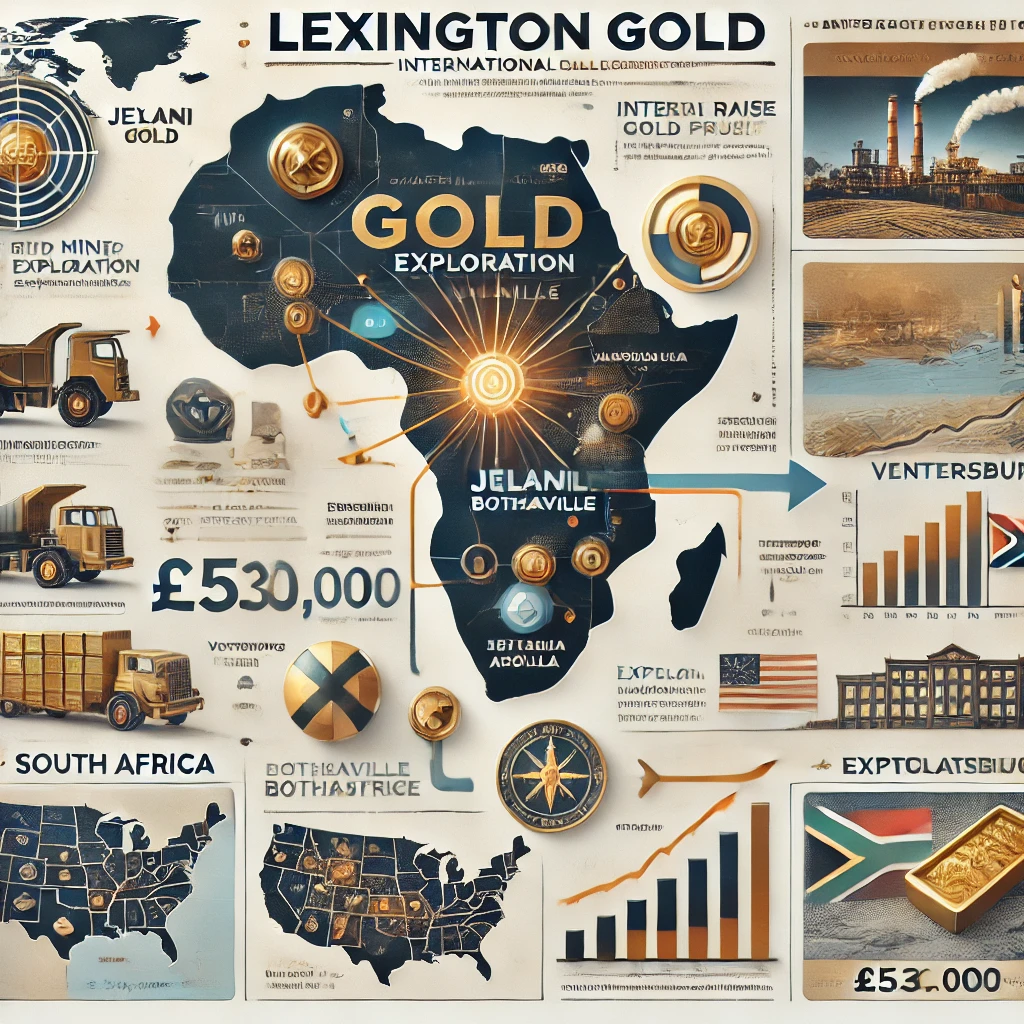
AIM-listed gold explorer Lexington Gold has successfully completed a £530,000 capital raise, issuing 15.6 million new common shares to new and existing shareholders. The proceeds from this Lexington Gold capital raise will support active exploration and permitting across the company’s gold projects in South Africa and the United States, reinforcing investor confidence in its diversified portfolio.
“We are very pleased with the outcome of this capital raise, completed at market price, in what remains a challenging market environment,” said Ed Nealon, nonexecutive chairperson of Lexington Gold. “The strong backing from our existing shareholders, combined with new investor interest, highlights growing recognition of the value within our portfolio.”
Related news:
- Saudi Arabia and Indonesia Deepen Mineral Ties With Strategic Mining Pact
- Tree Rings Reveal Mercury’s Lingering Legacy in Amazon Gold Mining
- BHP Turns to Pumped Hydro to Repurpose Mt Arthur Coal Mine
- Patagonia Gold Secures $40M Investment Deal for Calcatreu Gold Project Development
Strengthening South African Gold Assets
Funds from the Lexington Gold capital raise will help advance two of the company’s cornerstone South African assets — Jelani and Bothaville — both of which have reported significant milestones over the past year.
- Jelani: A JORC-compliant mineral resource estimate of over six million ounces has been formalized through Lexington’s joint venture with Harmony Gold Mining Company.
- Bothaville: A JORC-compliant exploration target exceeding five million ounces positions this site as a long-term growth opportunity.
“These achievements reinforce the scale and potential of our South African gold assets,” Nealon added.
Advancing U.S. Projects in Parallel
Although the spotlight often falls on Lexington’s African operations, the company is concurrently advancing exploration and permitting activities in the U.S., funded in part by the capital raise. These U.S. assets provide a strategic hedge for investors seeking geographic diversification, especially as global gold prices remain elevated above $2,000 per ounce.
Key Joint Ventures and Partnerships
The Jelani joint venture with Harmony Gold remains central to Lexington’s growth narrative. With a large-scale resource already identified, the project is gaining traction as a future development hub in South Africa’s Free State goldfields.
Simultaneously, the company continues discussions with Gold One Africa regarding the Ventersburg project, a potential catalyst for future resource growth and operational expansion.
Market Validation Amid Capital Scarcity
The Lexington Gold capital raise, completed at market price, stands out in an environment where many junior mining companies struggle to attract equity funding. The backing of both institutional and retail investors signals growing market confidence in Lexington’s technical capacity and asset quality.
“Raising funds at market price is not just an operational win—it’s a signal of credibility in today’s cautious capital markets,” said a UK-based mining analyst tracking AIM-listed firms.
Funded to Move Forward
This latest Lexington Gold capital raise provides the company with a stronger balance sheet and renewed flexibility as it pursues exploration success and potential resource upgrades. With promising partnerships, substantial gold resources, and expanded investor backing, Lexington appears well-positioned for its next phase of growth.