India’s Mineral Exploration and Consultancy Limited (MECL) is escalating its lithium exploration activities in Argentina and Australia, signaling a strategic shift to secure critical minerals for the country’s electric vehicle (EV) ambitions.
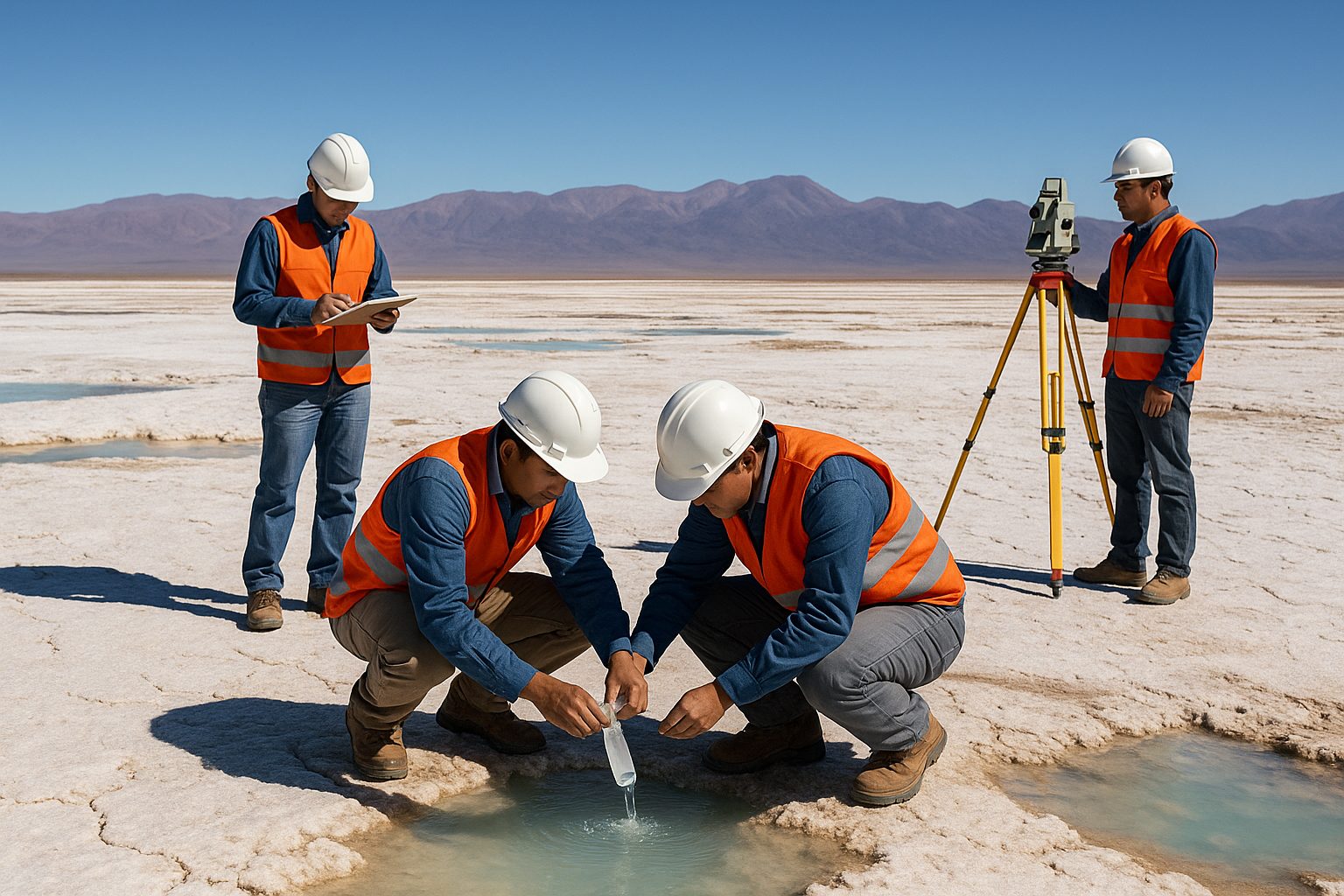
Through its joint venture Khanij Bidesh India Limited (KABIL), MECL is surveying over 15,000 hectares in Argentina’s lithium-rich Catamarca Province. The initiative is part of India’s broader effort to reduce dependency on China for battery materials, as demand for lithium-ion cells surges in parallel with global EV adoption.
KABIL Targets South American Lithium Triangle
The cornerstone of this international push is KABIL’s work in the Lithium Triangle—a region spanning Argentina, Bolivia, and Chile that holds more than half the world’s lithium reserves. KABIL, a collaboration among MECL, National Aluminium Company (NALCO), and Hindustan Copper Ltd (HCL), has already signed a memorandum of understanding with the government of Catamarca. This agreement lays the groundwork for access to both new geological data and potential joint development of resources.
In a recent briefing, MECL stated that the 15,703 hectares currently under active exploration were identified based on geophysical surveys and satellite imagery. These tracts are believed to contain significant lithium brine deposits, similar to those being developed by global players like Livent and Ganfeng Lithium.
Related News
- Arizona Lithium Accelerates Prairie Project After $4.25M Raise, Regulatory Win
- Stardust Power’s Oklahoma Lithium Facility Avoids Wastewater Permit with Closed-Loop System
- Lithium Corporation 2025 Field Work Targets Lithium Exploration in Nevada and British Columbia
Australia as a Strategic Secondary Node
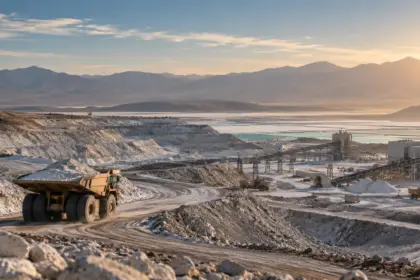
While South America remains the priority, MECL is also evaluating pegmatite-hosted lithium deposits in Western Australia. Australian resources, known for their regulatory stability and mature mining ecosystem, offer an attractive diversification path for KABIL. Exploration in the region is still in the early stages, with site reconnaissance and licensing negotiations ongoing.
According to a senior KABIL official, “Australia provides a hedge against the geopolitical uncertainties of South America and a direct line to high-grade hard rock lithium.”
Strategic Imperative: Domestic Supply for EV Ambitions
India’s electric vehicle market is forecast to expand at a compound annual growth rate (CAGR) of over 40% through 2030, according to a report by NITI Aayog and Rocky Mountain Institute. This exponential growth demands a reliable stream of lithium for battery manufacturing, particularly for two-wheelers, three-wheelers, and grid-scale energy storage systems.
Currently, India imports nearly all of its lithium needs, primarily from China, which dominates the global supply chain. In response, New Delhi launched the Critical Minerals Strategy in 2023, designating lithium as a key resource. MECL and KABIL’s overseas ventures are a direct outcome of this policy pivot.
Risk and Reward: Navigating the Global Resource Race
MECL’s moves come amid rising competition. Global mining majors and government-backed entities are racing to lock in lithium reserves across Latin America and Africa. However, India’s late entry into the global lithium race means it must leverage diplomatic capital and strategic partnerships to gain a foothold.
By working with subnational governments like Catamarca’s and focusing on unexplored tenements, MECL aims to minimize entry barriers and maximize first-mover advantages. However, challenges remain, including resource nationalism in Latin America and permitting delays in Australia.
For MECL, success in Argentina and Australia could not only reduce India’s critical mineral vulnerabilities but also position the company as a regional leader in lithium acquisition and resource diplomacy.