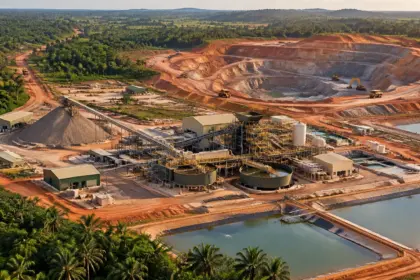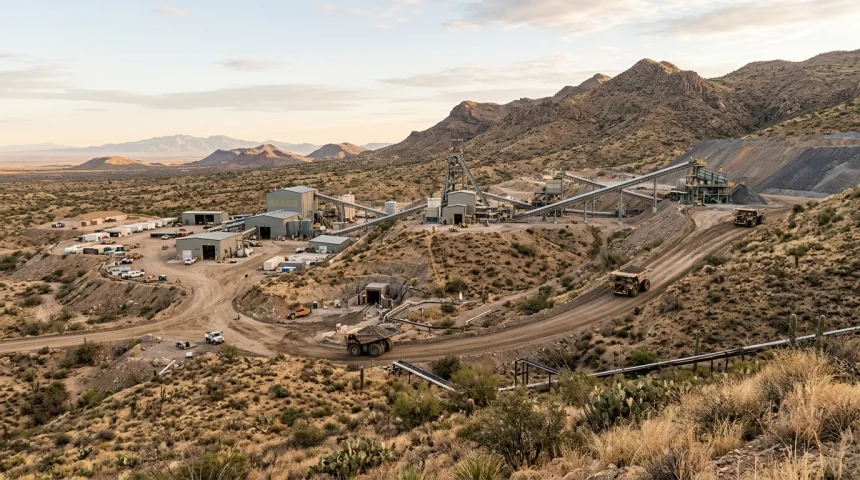
The battle for dominance in Western Australia’s prolific “Golden Triangle” has reached a fever pitch. Genesis Minerals (ASX: GMD), led by managing director Raleigh Finlayson, has disrupted a multibillion-dollar merger landscape with a A$5.6 billion off-market takeover bid for Vault Minerals (ASX: VAU). The move directly challenges a previously agreed tie-up between Vault and Regis Resources (ASX: RRL), setting the stage for one of the most significant corporate showdowns in the Australian gold sector this decade.
This high-stakes maneuver is more than just a bidding war; it is a strategic play to consolidate the Leonora-Laverton region into a unified, Tier-1 production hub. If successful, the combined Genesis-Vault entity would command a production profile targeting 700,000 ounces of gold per year (700koz/yr), placing it among the elite mid-cap producers globally.
The Superior Proposal: Breaking down the A$5.6B bid
On July 3, 2026, the board of Vault Minerals declared the Genesis proposal a “superior offer” to the existing scheme of arrangement with Regis Resources. The Genesis bid offers a sophisticated “mix and match” consideration structure designed to appeal to both retail and institutional shareholders seeking flexibility.
Under the terms of the offer, Vault shareholders are slated to receive 0.7629 Genesis shares and A$0.475 in cash for every Vault share held. This implies a valuation of approximately A$5.274 per share based on recent closing prices: a 14.5% premium over the Regis offer, which was valued at roughly A$4.61 per share.
The deal’s structure is notably “clean,” lacking the complex financing or due diligence conditions often associated with hostile or competitive bids. Genesis has capped the total cash component at A$500 million, with a maximum issuance of 803.4 million new shares. This ensures the company maintains a robust balance sheet while providing Vault investors with immediate liquidity and ongoing exposure to a massive regional gold powerhouse.

Operational Synergies: The 700koz/yr Vision
The core of the Genesis thesis lies in operational synergy. By integrating Vault’s assets: which include the recently merged Silver Lake and Red 5 portfolios: Genesis aims to eliminate regional boundaries and optimize processing infrastructure across the Leonora district.
| Feature | Genesis (Stand-alone) | Combined Entity Target |
|---|---|---|
| Annual Production | ~200-250 koz | ~700 koz |
| Primary Region | Leonora / Gwalia | Leonora / Mt Magnet / Laverton |
| Key Processing Hubs | Gwalia, Leonora | Gwalia, Mt Magnet, King of the Hills |
| Reserve Base | ~4.0 Moz | >10.0 Moz |
Finlayson’s strategy mirrors his previous success at Saracen Mineral Holdings, where he consolidated the Kalgoorlie “Golden Mile” through the acquisition of a 50% stake in the Super Pit. In the current 2026 landscape, the “Golden Triangle” of Leonora-Laverton-Mt Magnet represents the last frontier for meaningful district-scale consolidation in Western Australia.
Securing Vault Minerals would give Genesis control over the massive King of the Hills (KOTH) processing facility, a low-cost, high-capacity hub that could serve as the beating heart for several nearby satellite deposits. This would significantly lower the all-in sustaining costs (AISC) for the combined group, providing a buffer against the inflationary pressures that have plagued the industry over the last two years.
The Regis Response: A Five-Day Window
Regis Resources now finds itself in a defensive position. Under the terms of its original merger agreement with Vault, Regis holds a standard “matching right” period. This window expires on July 10, 2026.
Regis, led by Jim Beyer, must now decide whether to increase its bid or walk away with a potential break fee. While Regis has a strong operational track record, the market’s initial reaction suggests a preference for the Genesis-Vault combination. Following the announcement, Genesis shares rose to A$6.29, signaling investor confidence in the strategic logic of the deal.
For Regis, the loss of Vault would be a strategic setback in its quest to diversify away from its Duketon operations and the permitting challenges faced at its McPhillamys project in New South Wales. If Regis chooses to match, it would likely need to tap equity markets or increase its debt facility, a move that could face scrutiny from its own shareholder base given the current premium already offered by Genesis.

Strategic Context: Gold M&A in 2026
The Genesis-Vault-Regis triangle is a symptom of a broader trend in the global mining sector. As gold prices remain resilient near $4,200/oz (see our Friday Flash gold highlights), the cost of discovering and developing new tier-1 assets has skyrocketed.
For many mid-tier producers, growth via acquisition is no longer just an option: it is a necessity to remain relevant to institutional investors who favor scale, liquidity, and diversified geographic risk. The Leonora district has been the center of this activity for several years, following Genesis’ earlier acquisition of St Barbara’s Leonora assets and its subsequent merger with Dacian Gold.
“This is not just about ounces in the ground; it is about mill capacity and logistical dominance,” says one Perth-based analyst. “If Genesis wins Vault, they own the infrastructure. In the mining world, whoever owns the mill makes the rules.”
What Investors Should Watch Next
As we approach the July 10 deadline, several factors will determine the final outcome of this takeover war:
- The Regis Counter-Offer: Does Regis have the balance sheet capacity to match or exceed the A$5.6B valuation without diluting its existing shareholders excessively?
- Asset Disposals: To appease competition regulators or optimize the portfolio, would a combined Genesis-Vault need to divest non-core satellite deposits?
- Gold Price Volatility: A sharp move in the spot gold price could alter the implied scrip valuations of both bidders, potentially shifting the “superiority” of the offers.
- Institutional Sentiment: Large institutional shareholders who hold positions in all three companies will ultimately cast the deciding votes. Their preference for a “cleaner” regional player (Genesis) versus a more diversified state-wide player (Regis) will be critical.
The resolution of this battle will redefine the Australian gold landscape for the remainder of the decade. Whether through a Genesis victory or a Regis counter-attack, the consolidation of the Golden Triangle is moving toward its logical conclusion.