The global mining automation market, valued at US$ 3.65 billion in 2023, is projected to nearly double, reaching US$ 7.37 billion by 2032, according to a recent report by Astute Analytica. This surge, driven by a Compound Annual Growth Rate (CAGR) of 8.12% from 2024 to 2032, highlights the growing demand for advanced automation technologies in the mining industry.
A Growing Need for Efficiency and Safety
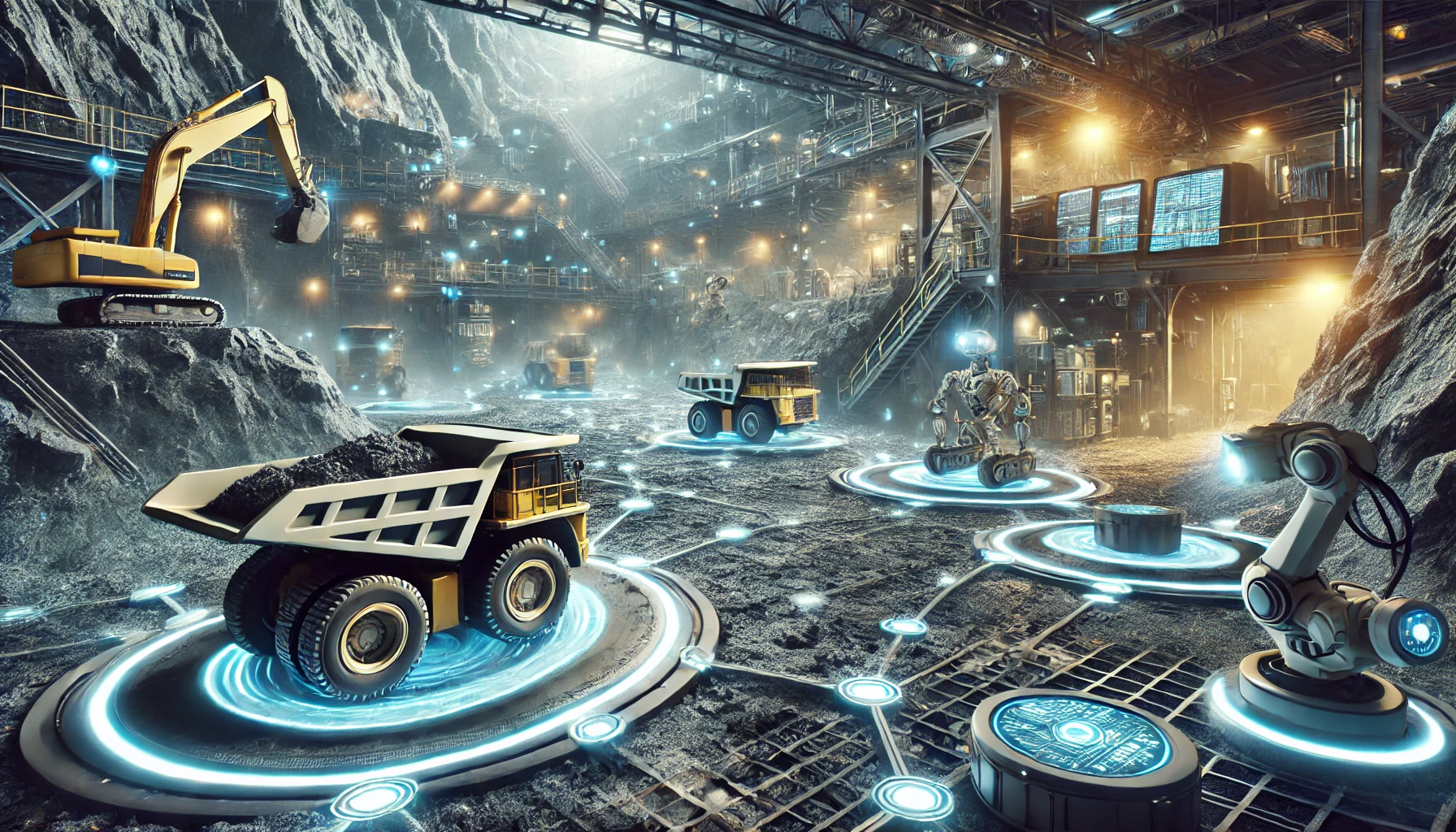
The adoption of automation technologies such as autonomous haulage systems, remote-controlled equipment, and advanced robotics is revolutionizing the mining sector. As companies strive to enhance operational efficiency, improve safety standards, and reduce labor costs, automation offers a pathway to more precise and cost-effective mining operations.
Key drivers of market growth include:
- Productivity Improvements: Automation helps streamline mining processes, reducing downtime and increasing productivity.
- Worker Safety: Advanced robotics and remote-controlled machinery reduce human exposure to hazardous mining conditions.
- Technological Advancements: The increasing availability of sophisticated automation technologies is making it easier for companies to adopt innovative solutions.
- Sustainable Mining Practices: The industry’s shift towards more sustainable and environmentally friendly practices is further fueling automation adoption.
Regional Insights: Asia Pacific Leads the Way
Asia Pacific is expected to dominate the mining automation market during the forecast period, driven by large-scale mining operations in countries like China and Australia. North America and Europe are also set to see significant growth due to rapid technological advancements and early adoption of automation solutions.
Top Players in the Mining Automation Market
Leading companies are at the forefront of this transformation, including:
- ATLAS COPCO AB
- CATERPILLAR INC.
- AUTONOMOUS SOLUTIONS INC.
- HEXAGON AB
- KOMATSU LIMITED
- HITACHI CONSTRUCTION MACHINERY CO.
- RIO TINTO
- SANDVIK AB
- ROCKWELL AUTOMATION, INC.
- SIEMENS
These players are investing heavily in research and development, focusing on creating more efficient and sustainable mining technologies.
Market Segmentation: Key Techniques and Applications
The mining automation market is segmented by technique (surface and underground mining), type (communication systems, software, and equipment), and workflow (mining process, mine maintenance, and mine development). This comprehensive approach ensures that mining automation can address various challenges within the industry, enhancing overall efficiency and safety.
Future Outlook: Embracing Innovation for a Safer, More Productive Mining Industry
As the mining industry continues to evolve, the integration of automation technologies will be critical in improving the efficiency and sustainability of operations. The projected growth of the mining automation market underscores the sector’s commitment to embracing innovation and securing a safer, more productive future.