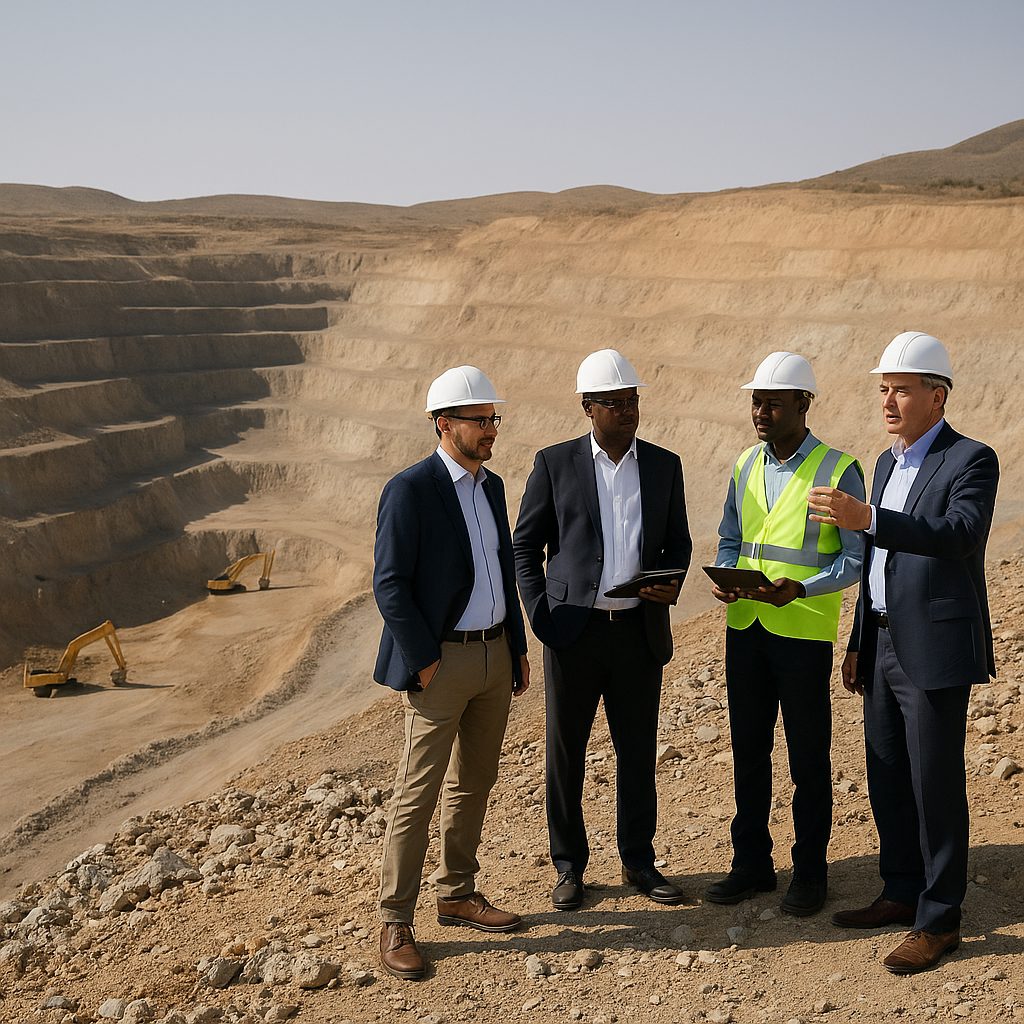
Algeria is poised to open its mining sector to deeper foreign investment, proposing legislation that would allow overseas companies to own up to 80% of mining projects—a sharp shift from the country’s traditionally state-controlled approach.
The draft bill, which awaits parliamentary approval, is part of a broader push to modernize Algeria’s mining industry and attract capital for the development of critical metals. The move comes as global demand for minerals vital to green technologies, such as lithium, cobalt, and rare earth elements, continues to surge.
Foreign Investment Seen as Catalyst for Growth
Algeria’s Ministry of Energy and Mines confirmed that the new legislation would remove long-standing ownership restrictions. Under current rules, foreign firms are typically limited to minority stakes in joint ventures with state entities.
“The new framework will allow foreign investors to hold up to 80% ownership in mining projects,” said Energy and Mines Minister Mohamed Arkab in a recent statement. “This is a strategic move to position Algeria as a competitive player in global critical metals supply chains.”
Related News
- Québec’s HE Mining Investment Event Draws Global Investors to Explore Sector Opportunities
- Rio Tinto’s Groundbreaking Deal Gives PKKP Owners New Power Over Mining Rights
- Copper Price Concerns Mount as Study Warns of Doubling Need to Meet Future Demand
- Stillwater Critical Minerals Showcases Montana Project at Quebec Mining Investment Event
Critical Metals at Center of Strategy
The global race for critical metals is reshaping mining investment trends worldwide. The International Energy Agency has highlighted that demand for such minerals is expected to quadruple by 2040, driven by electric vehicles, batteries, and renewable energy technologies.
Algeria’s largely under-explored geology is believed to host significant reserves of lithium, rare earths, and other strategic metals. The government hopes the new foreign investment rules will attract both capital and technological expertise needed to develop these resources.
Legislation Faces Parliamentary Review
The draft legislation is expected to reach parliament in the coming weeks. Industry analysts say the measure is likely to pass, given Algeria’s urgent need to diversify its economy away from hydrocarbons.
“This is a landmark reform for Algeria’s mining sector,” said Houda Bencheikh, a mining consultant based in Algiers. “Opening the door to 80% foreign ownership could unlock billions in investment, especially from European and Asian firms seeking to secure critical metal supplies.”
Balancing Reforms with Resource Nationalism
While the proposed changes are welcomed by many international investors, some domestic voices are calling for safeguards to ensure Algeria retains control over its natural wealth.
“The legislation must strike a balance,” warned Abdelkader Bensaid, a member of the parliamentary energy committee. “We need foreign investment, but also mechanisms to ensure Algerians benefit from the sector’s growth.”
Regional and Global Implications
Algeria’s reforms echo similar moves across North Africa, where countries like Morocco and Egypt are also courting foreign mining investment. Globally, the competition to secure critical metals is intensifying, with Mining.com reporting rising M&A activity and exploration budgets.
As Algeria prepares to open its mining sector, the success of the pending legislation will be closely watched by industry players worldwide. For a country long reliant on oil and gas, the pivot to critical metals and foreign partnerships represents both an economic necessity and a bold strategic shift.