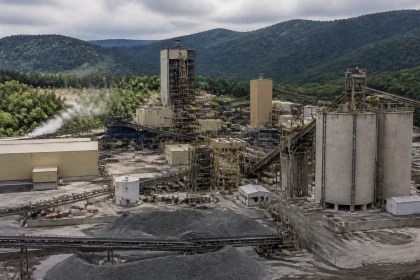
Hedge funds in New York and its surroundings were intensely interested in coal country around the century. Coal plants were filthy, old-fashioned, and shackled by collective bargaining that made them difficult to purchase and sell, so they never attracted financial industry investors.
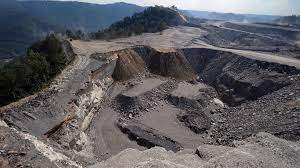
However, in the late 1990s, Asia’s growing economies started to use an expanding amount of energy, prompting investors to anticipate that consumption would rise halfway across the globe in Appalachia. Arch Coal, a publicly held company, purchased the Hobet mine in 1997. the coal country mines have been operating for 25 years in rural West Virginia. It began a massive expansion, detonating bombs on mountaintops and pouring the rubble into rivers and streams. As the Hobet mine expanded, it engulfed the surrounding hills and villages in the coal country. The mine resembled a gigantic grey amoeba from the air, extending 22 kilometers from end to end and devouring the mountains.

You might be interested in
- Coal’s crash could lead to a landscape of abandoned mines
- Covid-19: Unsung mining heroes brave odds to produce coal, keep power plants running.
- 300 Powder River Basin coal workers laid off
- Matrix Design forms new Equipment Division to supply essential support products for underground coal operations.
The Caudill family had lived, hunted, and farmed for a decade down a hillside from the Hobet mine. They named their homeplace 30 hectares (75 acres) of forests and water. The Caudill’s were not generally pro; in fact, many of them worked as miners. John Caudill was an explosives specialist until an explosion went off early in the 1930s, blinded him. His mining days were gone, but his property was plenty and John, and his wife raised a family of ten children. They produced potatoes, maize, lettuce, tomatoes, beets, beans, and hunting and foraging for berries and roots in the woods. A slope behind the home was covered with forests with hemlocks, ferns, and peach trees.