
PERTH — April 2, 2025 | Livium, a leading battery recycling and materials company, has secured $850,000 in grant funding from the Western Australian Government to develop a new battery recycling facility in the state. The grant, awarded under WA’s E-Waste Infrastructure Grants Program, marks another major milestone for battery recycling in Australia.
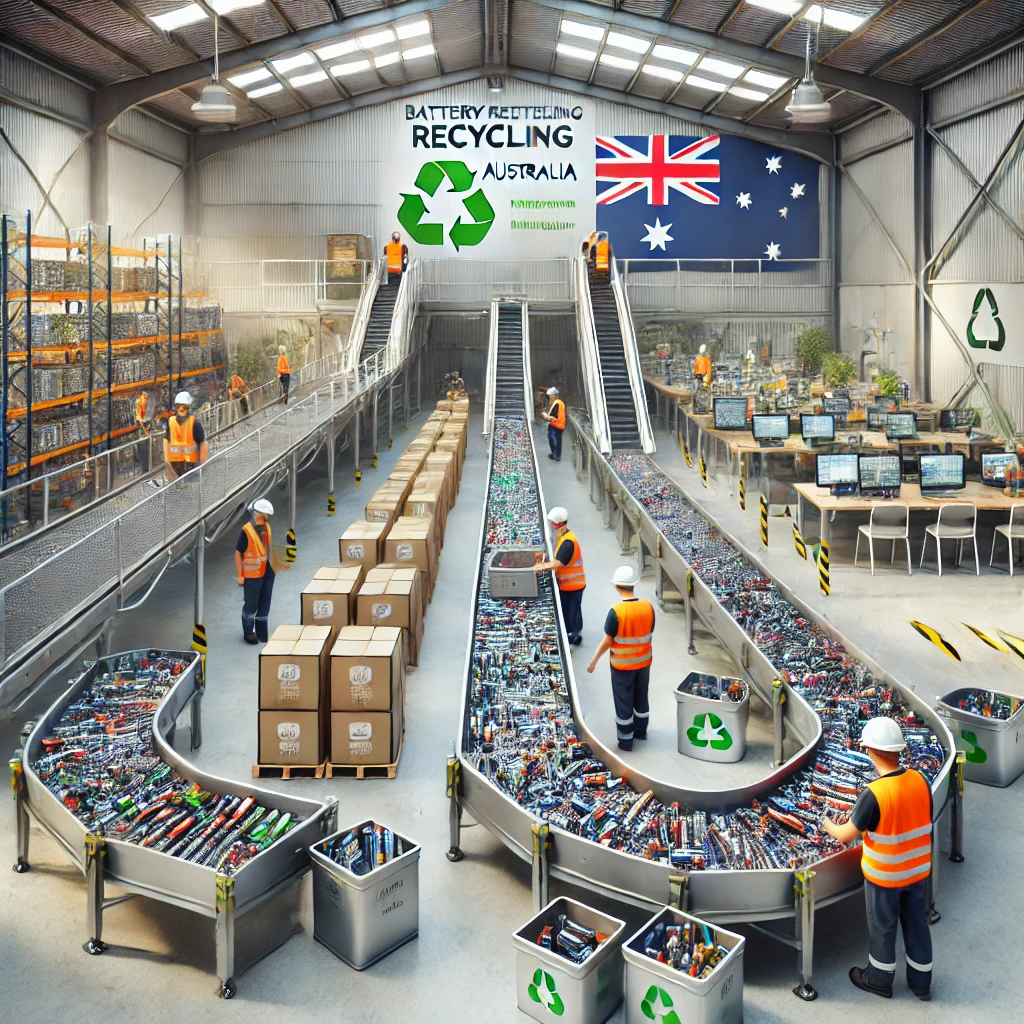
The new facility, to be operated by Livium’s subsidiary Envirostream, will focus on battery collection, sorting, discharging, and storage. Final processing—including conversion to mixed metal dust—will be completed at Envirostream’s Campbellfield facility in Victoria.
Related News
- Heavy Rare Earths Exploration Accelerates at Harts Range Project in Australia
- Trunkey Creek Gold Discovery Sparks Interest in Australia’s Forgotten Goldfields
- Titan Minerals’ Dynasty Project Clears Major Technical Milestone
- Silver April 2025: Short-Term Shine Masks Broader Market Risks
WA Backs Battery Recycling Infrastructure Ahead of Landfill Ban
The funding supports Western Australia’s ban on sending e-waste to landfill, which came into effect on July 1, 2024. According to the WA Department of Water and Environmental Regulation, the grant aims to expand local recycling infrastructure and reduce hazardous waste.
“This funding agreement with the WA Government represents another significant step forward in our mission to establish a sustainable national battery recycling ecosystem,” said Livium CEO Simon Linge.
WA Environment Minister Reece Whitby said the grants were part of the government’s push to support circular economy initiatives and reduce e-waste across the state. “This is a win for jobs, the environment, and innovation in Western Australia,” he said in a statement.
Battery Recycling Australia Strategy Gains National Momentum
The WA grant comes on the heels of Livium’s $30 million funding from the Australian Renewable Energy Agency (ARENA), which is helping to fund a lithium ferro phosphate (LFP) demonstration plant.
Livium’s long-term strategy includes the development of full-scale battery processing capabilities in Western Australia and other states. However, the company plans to phase these expansions based on minimum collection volumes, ensuring operational efficiency.
“We’re committed to building a recycling network that supports the growing demand for battery materials in Australia,” said Linge. “Our model is based on scalable infrastructure that reflects the volume and flow of battery waste.”
Industry Partnerships Strengthen Recycling Supply Chain
Livium has established exclusive recycling agreements with major players in the mining, energy, and electric vehicle sectors, including:
- Hyundai Glovis
- LG Energy Solution
- Volvo Group Australia
- ZECO Energy
- Industrea Mining Equipment
- Hilti Fleet Management
- Hithium
- Infinitev
These partnerships provide a consistent supply of end-of-life batteries for processing, reducing the company’s reliance on third-party collectors and creating a vertically integrated recycling system.
“By fostering local recycling capabilities, we aim to strengthen Australia’s position in the global battery recycling industry and contribute to a circular economy,” said Linge.
Australia’s Growing Battery Waste Challenge
Australia generates over 500,000 tonnes of e-waste each year, with batteries accounting for a rapidly increasing portion of that waste. Many contain valuable and hazardous materials, including lithium, cobalt, and nickel.
Recycling helps recover these critical minerals, reducing dependence on imports and lowering the environmental footprint of battery production.
With bans on e-waste to landfill rolling out across several states, battery recycling in Australia is becoming both an environmental necessity and a commercial opportunity.