Regarding China’s decreasing steel output and its current coronavirus epidemic, Anglo-Australian miner BHP warned that the exceptional iron ore prices of the past might be on the wane.
Since mid-July, iron ore prices have plummeted by 40% because of fears about China’s demand for half of the world’s steel consumption. Australia and Brazil, which are struggling to preserve weak economic recoveries against outbreaks of the highly infectious Delta form of the coronavirus, have seen a dip as a result of the current recession.
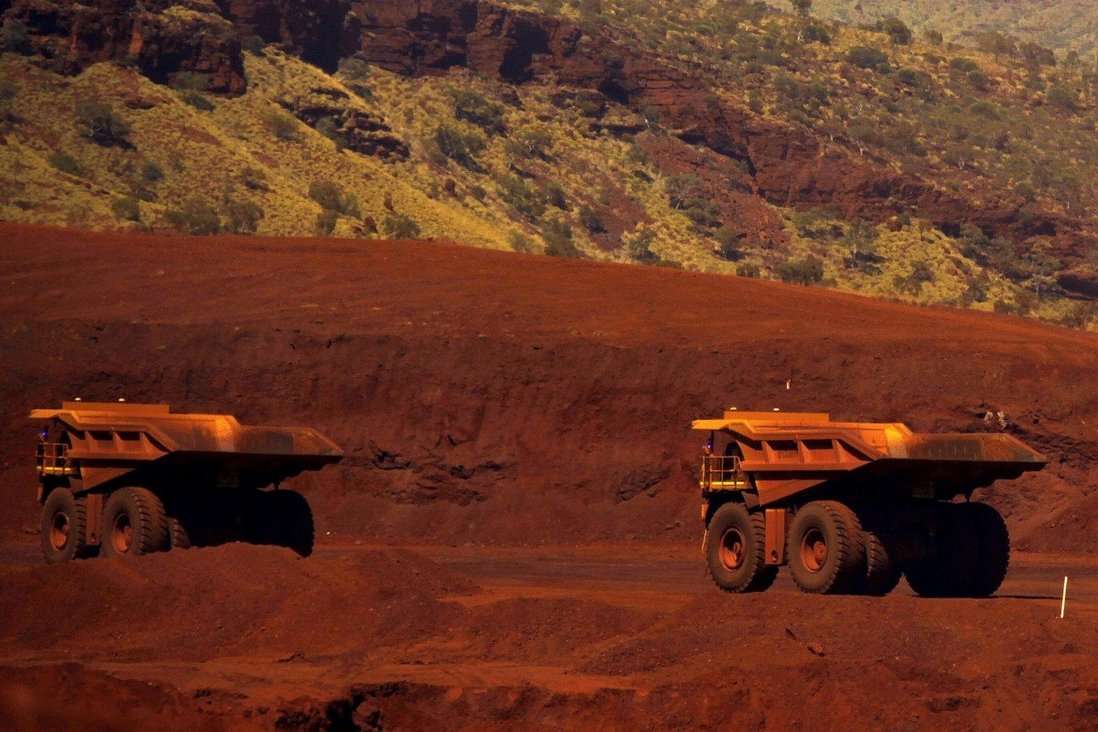
Although earlier weather-related disruptions have begun to fade, supply from Australia has remained steady because the coronavirus pandemic’s impact is only just beginning to show up. Meanwhile, Brazilian shipments are starting to rise because the country’s output is moving to recover from the coronavirus pandemic.

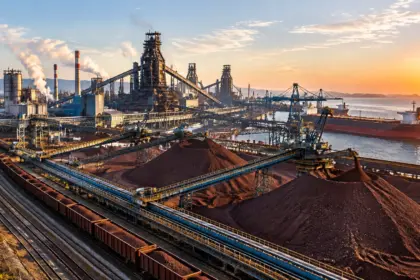
World Steel Association member nations reported crude steel output rose 3.3% in July to 161.7 million tonnes. When Chinese output decreased for the first time in 16 months, production fell by 8.4 percent to 86.79 mt, according to Kallanish. The production throughout the world decreased by 4 percent in June.
However, Indian production increased by 13% to 9.85 million tons in July, as Japanese and South Korean production increased by 33% and 11%, respectively, to 8.01 million tons and 6.13 million tons. Vietnamese output increased 62% to 2.23 million metric tons.
Conversely, it appears that China’s directive to keep steel output below 1.065 billion tonnes in 2020 is accepted.
Steel demand decreased on the back of hot weather and rains in China and the growth in the number of Covid-19 cases.
A large amount of demand keeps the price of iron ore from falling since it is now at its high, although it may have “past its peak” and start to decline in the second half of this year due to China’s steel output leveling down from 2020.
you might be interested in
- Shipments of Vale Iron Ore (Northern Brazil) are at their Lowest Level in 4 Years
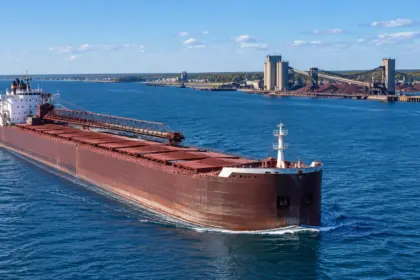
- In June, Great Lakes iron ore trade rose 43.6 percent
- With these three metals and mining stocks, you can ride the iron ore price
- Annual iron ore production by BHP is at an all-time high, but output elsewhere is down
- S&P hits back in court after Fortescue Metals takes legal action to prevent publication of iron ore price
BofA analysts write that “lowering incentives to manufacture for overseas markets” was also part of China’s export tax reductions implemented in May and July. In May, China halted rebate on steel exports and increased iron export duties in July.
Earlier this week, Bank of America predicted that iron ore prices would decrease quicker than previously anticipated because of reduced Chinese steel production and increasing iron ore supply from Australia and Brazil.
In addition, the bank claims that Chinese iron ore stocks are “comfortably high,” which implies that suppliers are unlikely to be forced to acquire more. Steel stockpiles have recovered as well.