
Simandou Iron Ore Project: A Transformative Leap Towards Decarbonization and Economic Growth in Guinea
The Simandou iron ore project, one of the world’s largest and most ambitious mining undertakings, is making significant strides towards its goal of becoming a key player in the global iron ore market and contributing to the decarbonization of the steel industry. The project, which has faced numerous challenges over the years, is now moving forward with renewed vigor, thanks to substantial investments and the completion of critical regulatory approvals.
Progress and Development
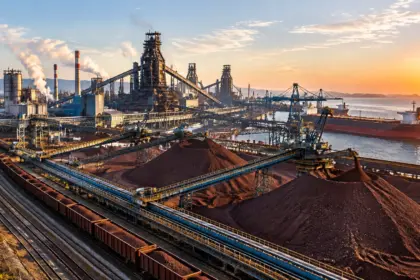
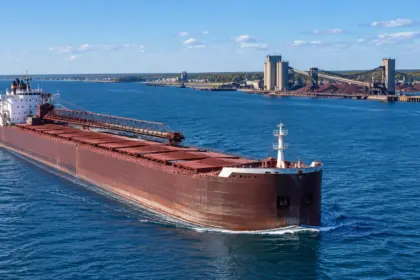
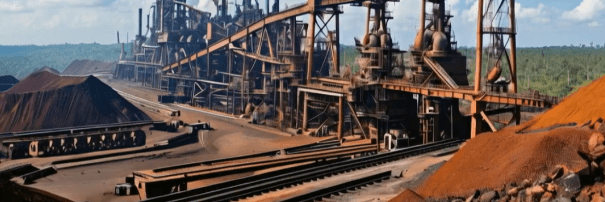
According to Samuel Gahigi, the managing director of Rio Tinto Guinea, the Simandou project is currently 30 to 35 percent complete in terms of infrastructure development. This includes the construction of the mine, a 600-kilometer railway, and port facilities necessary for exporting the high-grade iron ore. The first production is anticipated to begin next year, although exports might be delayed until 2026 due to the ongoing construction of the railway and port infrastructure.
The Rio Tinto board, along with its joint venture partners, including several Chinese companies, has committed significant financial resources to the $20 billion project. This investment marks a significant milestone for the mine after decades of setbacks and scandals. In April, Guinea’s National Transitional Council ratified the planned investments, further solidifying the project’s future.
Related News
- Geopolitics of Green Tech: China’s Strategic Mineral Grab in Kazakhstan
- Rio Tinto, BYD, and LG Energy have expressed their interest in Chile’s Altoandinos Lithium Site
- Sovereign Metals Completes Dry Mining Trial at Kasiya Rutile-Graphite Project
- West Virginia Coal Mining Fatality: Woman Dies in Second Incident of 2024
Economic and Environmental Impact
The Simandou project is expected to be transformative for Guinea’s economy. Djiba Diakité, the committee chair overseeing the project, stated that it would be delivered on schedule by the end of December 2025. The project is projected to accelerate Guinea’s gross domestic product by 50 percent from 2026, potentially earning the country between $2 billion and $3 billion annually from 2030.
From an environmental perspective, the high-grade iron ore from Simandou, with an iron content of 60-66.5 percent, will contribute significantly to the decarbonization of steel processing. A tonne of Simandou iron ore is expected to produce significantly less carbon dioxide—approximately half a tonne—compared to the current one tonne of iron ore, which generates two tonnes of carbon dioxide.
Strategic Importance and Challenges
About half or more of the iron ore from Simandou is expected to be exported to China, the world’s largest consumer of iron ore and the biggest producer of steel. This aligns with China’s long-term goal to secure a larger stake in overseas iron ore resources. Liz Gao, a senior analyst at commodities consultancy CRU Group, predicted that when operational, Simandou would replace some Brazilian and Australian iron ore shipments to China, although these countries would remain dominant players in the market.
Despite the project’s promising outlook, it faces several challenges, including geopolitical risks and the complexities of building extensive infrastructure in a region with a history of political instability. The project has already seen delays due to legal disputes, local political changes, and the challenges of constructing the necessary infrastructure.
Future Outlook
The Simandou project involves an investment of over $15 billion to construct the railway and port infrastructure by the end of 2025. Once completed, all the co-developed infrastructure and rolling stock will be transferred to and operated by the Compagnie du TransGuinéen (CTG) joint venture. Simfer and Winning Consortium Simandou (WCS) each hold a 42.5 percent equity stake, with the Guinean state holding the remaining 15 percent.