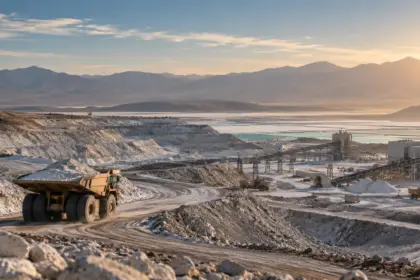
Market fluctuations, excess supply, and geopolitical tensions are all contributing to a dramatic upheaval in the global cobalt mining business. Key players in the cobalt mining sector are summarized here, along with their current status and future prospects:
Excess Inventory and Decrease in Cobalt Prices
There will likely be an excess of supply and cheap prices in the cobalt market in 2024. There is still an excess of supply in the market, since the London Metal Exchange’s three-month price for cobalt fell sharply. Battery manufacturers are looking for cheaper alternatives and are trying to address environmental and human rights concerns related to cobalt mining in the Democratic Republic of the Congo (DRC), which has led to a decrease in demand and an increase in production from major cobalt-producing regions like Indonesia and the Democratic Republic of the Congo (DRC).
Production Growth and Key Producers
In 2023, the DRC continued to dominate the global cobalt production, contributing about 68.6% of the total. But as other countries increase output, its share is expected to fall to 56.5% by 2030. The projected increase in Indonesia’s contribution from 8.3% in 2023 to 20.8% by 2030 indicates that the country is quickly becoming a major producer. Various massive initiatives, such as the Pomalaa and Weda Bay Expansion initiatives, are facilitating this expansion.
Related News
- Rio Tinto Negotiates Successful Agreement to Prevent Strike at Oyu Tolgoi Copper Mine
- Hecla Mining Gains $278.56 Million Investment from Vanguard Group
- Komatsu Completes Strategic Acquisition of GHH Group GmbH
- Global Repercussions of China’s New Rare Earth Regulations in 2024
Growth and Investment
Major cobalt mining firms are pouring a lot of money into expanding their cobalt production. As an example, China Molybdenum is planning to increase production at its Tenke Fungurume cobalt mine in the DRC, which is expected to surpass all others by 2025. Similarly, Glencore’s Mutanda mine is set to resume, which will greatly increase production. The DFC, an international development finance organization based in the United States, is also increasing its funding for mining projects in the Democratic Republic of the Congo in an effort to reduce risk and encourage private investment in the country’s mineral reserves.
Rights of the Individual and Environmental Issues
Cobalt mining in the DRC is still associated with environmental problems and human rights abuses, even with these developments. There has been a lack of consensus on how multinational corporations should enhance working conditions and conform to international standards. Despite claims from some corporations that they are enforcing stronger regulations and improving standards, reports of poor wages, inadequate healthcare, and other labor difficulties continue.
By 2030, world cobalt output is projected to reach 311.8 kilotonnes, an increase of 5.1% CAGR from the current level. To keep up with the increasing demand from industries like electric vehicles, it will be essential to expand production facilities in Indonesia and the Democratic Republic of the Congo. But there are obstacles the market must overcome in terms of cost, ethical sourcing, and ecological responsibility.