Rio Tinto, the world’s largest mining company, has successfully reached an agreement to prevent a strike at its Oyu Tolgoi copper-gold mine in Mongolia. The settlement comes after extensive talks aimed at resolving worker concerns over pay and working conditions, which threatened to suspend operations at one of the world’s largest copper reserves.
Oyu Tolgoi is a key contributor to Mongolia’s economy
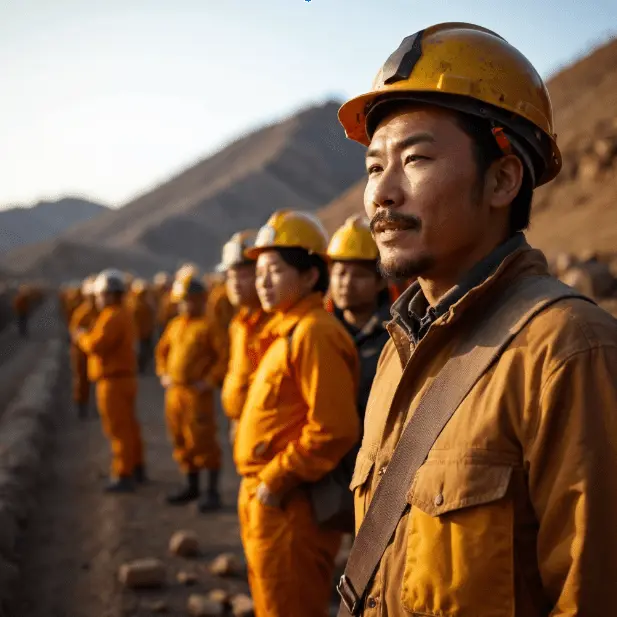
The conflict centered on the mine’s workers’ demands for higher wages and better living conditions. The labor disturbance had generated concerns about large interruptions in the copper supply chain, as Oyu Tolgoi is a key contributor to Mongolia’s economy and an important asset in Rio Tinto’s copper portfolio.
Related News
- Hecla Mining Gains $278.56 Million Investment from Vanguard Group
- Komatsu Completes Strategic Acquisition of GHH Group GmbH
- Global Repercussions of China’s New Rare Earth Regulations in 2024
- American Rare Earths Secures $7.1M Grant to Advance Cowboy State Mine in Wyoming
Rio Tinto announced in a statement that an agreement had been struck with the mine workers’ union, preventing the planned walkout. The corporation expressed its commitment to creating a healthy work environment and providing fair wages to its employees. “We are pleased to have reached a mutually beneficial agreement that addresses the concerns of our workforce while maintaining the operational stability of Oyu Tolgoi,” a representative from Rio Tinto told reporters.
The agreement includes a new compensation structure and increased worker benefits, though the details have not been published. The conclusion is a relief for the corporation, which has faced numerous hurdles, including geopolitical concerns and shifting commodity prices.
Oyu Tolgoi, in the South Gobi Desert, is one of the world’s greatest copper and gold resources. Rio Tinto, the Government of Mongolia, and Turquoise Hill Resources jointly own the mine, which has played an important role in Mongolia’s economic progress. However, the project has encountered numerous challenges, including delays and cost overruns.
The avoidance of a strike at Oyu Tolgoi is a welcome step for Rio Tinto, which has been striving to improve its relationships with local stakeholders and communities. The corporation has underlined its long-term dedication to Mongolia and investment in the country’s future.
Market analysts have reacted positively to the announcement, saying that the agreement helps to stabilize the mine’s operations while also supporting global copper supply. The discovery is particularly noteworthy considering the growing demand for copper, which is being driven by the green energy transition and increased infrastructure spending around the world.
Rio Tinto’s stock rose somewhat following the statement, indicating investor confidence in the company’s capacity to properly manage labor relations and operational problems.
As the situation at Oyu Tolgoi stabilizes, industry observers will be watching to see how Rio Tinto handles future discussions and continues to balance the needs of its employees with the demands of global copper markets.