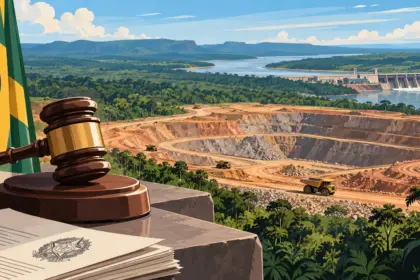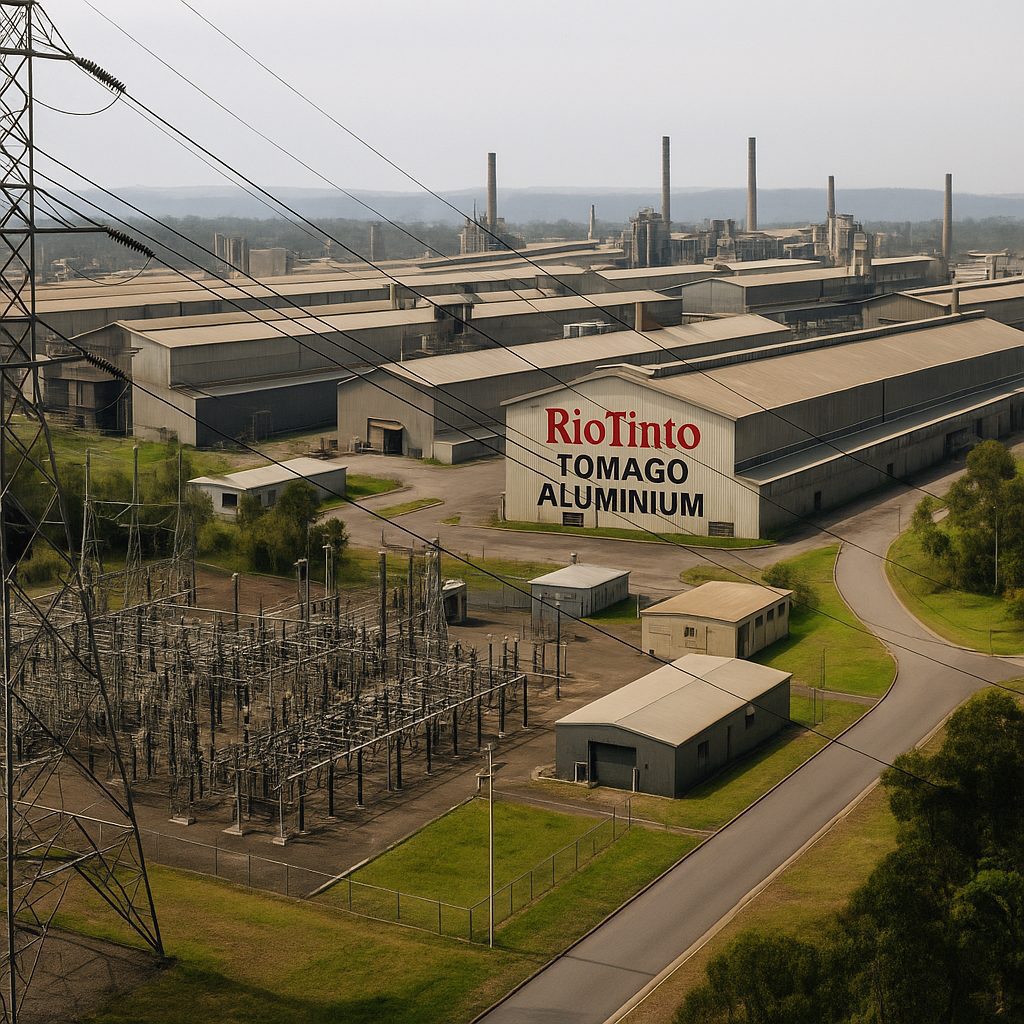
The fate of Rio Tinto’s Tomago aluminium smelter in New South Wales is hanging in the balance as the mining giant holds advanced bailout talks with both federal and state governments, according to people familiar with the matter.
The discussions centre on a potential multibillion-dollar package of energy price relief and federal production tax credits aimed at keeping Australia’s largest aluminium plant operational amid surging power costs.
“This is a strategically important asset, but one that is no longer competitive under current electricity market conditions,” said a senior Australian government official involved in the talks.
Rio Tinto declined to comment on the specifics of the negotiations but confirmed it is “working collaboratively with all levels of government to ensure a sustainable path forward for Tomago.”
Related News
- Algeria’s Mining Shake-Up: Foreign Investors Could Own 80% Under New Plan
- Québec’s HE Mining Investment Event Draws Global Investors to Explore Sector Opportunities
- Canadian Wildfires Disrupt Mining Operations as Companies Activate Emergency Plans
An Energy Crisis Exposed
Tomago, majority-owned by Rio Tinto alongside joint venture partners, produces about 25% of Australia’s primary aluminium. But the plant, like other aluminium smelters globally, is highly exposed to electricity prices—energy accounts for roughly 40% of its production costs.
With Australian wholesale power prices soaring to record levels—averaging A$213 per MWh last quarter, according to the Australian Energy Regulator—Tomago has struggled to maintain profitability.
“The economics simply don’t stack up without intervention,” said David Leitch, principal at energy consultancy ITK Services. “Without long-term affordable power contracts, closure is a real risk.”
Industry vs. Environmental Priorities
Federal officials are exploring options including tax credits modelled after the U.S. Inflation Reduction Act, which incentivises domestic metal production for critical supply chains.
“This isn’t about corporate welfare,” said Senator Tim Ayres, Assistant Minister for Manufacturing. “It’s about preserving Australian industrial capability at a time of global supply chain volatility.”
However, critics argue public subsidies for a carbon-intensive industry run counter to Australia’s climate goals.
“Aluminium smelters are among the largest single consumers of coal-fired power,” said Suzanne Harter of the Australian Conservation Foundation. “Public funds should be directed toward clean energy, not propping up legacy polluters.”
Global Comparisons: China’s Surge, Europe’s Struggles
The bailout talks come as global aluminium markets remain in flux. China has expanded low-cost production, while European smelters have shuttered capacity amid the continent’s energy crisis.
“Tomago’s competitiveness must be viewed in a global context,” said Laura Brooks, metals analyst at CRU Group. “Without intervention, Australia risks losing its foothold in an increasingly consolidated aluminium market.”
Benchmark aluminium prices on the London Metal Exchange recently rose to $2,490 per metric ton, driven partly by supply disruptions in Europe.
What’s Next?
A decision on the Tomago package is expected before the end of Q3, according to people familiar with the talks. Industry players warn delays could accelerate workforce attrition and supply chain impacts.
The World Bank, in a recent metals outlook, cautioned that government interventions must balance industrial resilience with climate commitments: “Decarbonisation pathways must be considered alongside competitiveness concerns.”
For Rio Tinto, the outcome could shape its broader Australian strategy. The company has already shuttered its Gove alumina refinery in the Northern Territory and faces growing ESG scrutiny from investors.
“This is a test case for the future of heavy industry in a decarbonising Australia,” said Professor Samantha Hepburn, energy law expert at Deakin University. “The decisions made here will echo across the economy.”