The Blocked Nippon Steel U.S. Steel Deal and Its Impact on U.S. Steel Prices 2025
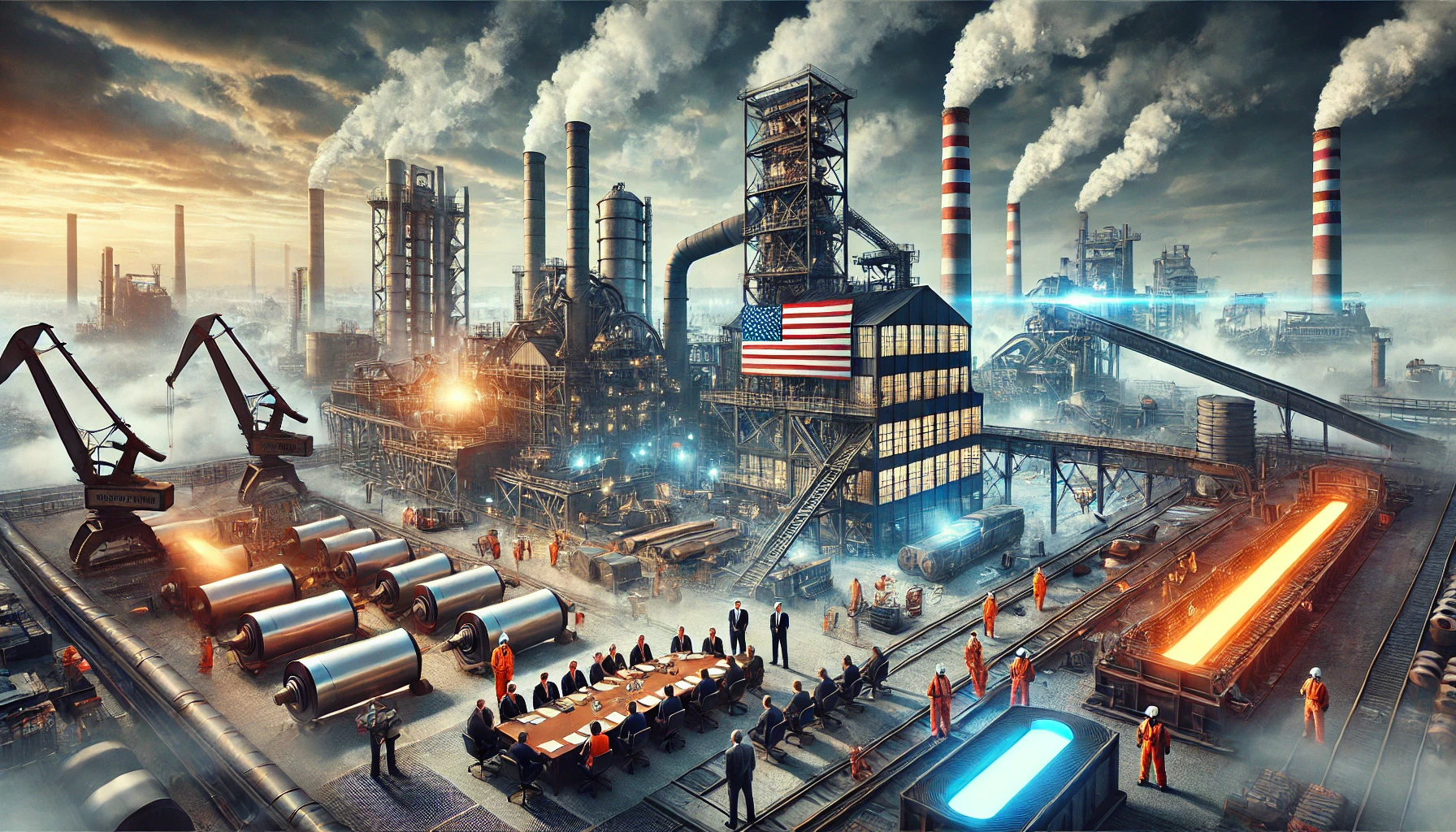
The U.S. steel industry is bracing for potential upheaval after the Biden administration blocked Nippon Steel Corporation’s $14.9 billion bid for U.S. Steel in early January. The controversial Nippon Steel U.S. Steel deal, rooted in national security concerns, has sparked legal challenges, political debate, and speculation over the impact on U.S. steel prices in 2025 and beyond.
The Blocked Nippon Steel U.S. Steel Deal and Its Fallout
The rejection of the Nippon Steel U.S. Steel deal followed a split decision from the Committee on Foreign Investment in the United States (CFIUS), leaving President Biden to ultimately veto the transaction. The decision was met with support from the United Steelworkers union (USW) and political figures, including J.D. Vance and President-elect Donald Trump, who cited the risks of foreign ownership in a critical industry.
“Nippon Steel’s track record of unfair trade practices and the strategic importance of domestic steel production made this decision necessary,” said Vance in a statement.
Yet critics argue the move undermines competition and stalls much-needed investment in U.S. Steel, which has faced years of financial struggles. The Nippon Steel U.S. Steel deal included $2.7 billion in planned upgrades to facilities, $5,000 payouts to union members, and a commitment to preserve production capacity for a decade.
Related News
- NMDC Limited Gains Momentum Following Merger Proposal with KIOCL
- India Critical Minerals Fund: Strategic Push for Overseas Mining Ventures
- Gold Price Today Dips as Traders Eye Key U.S. Economic Data
- KoBold Metals Funding: $537 Million Raised by Bill Gates- and Jeff Bezos-Backed Mining Startup
- Iron Ore Prices Plummet Over 15% in 2024 Amid Weak China Demand, Elevated Stocks
National Security vs. Economic Growth
The steel industry’s role in defense, infrastructure, and automotive production made the Nippon Steel U.S. Steel deal a sensitive matter. Proponents of the decision emphasized the risks of foreign ownership, including dependency on external entities and potential tariff loopholes.
Conversely, opponents noted that Nippon’s commitments, including the unraveling of its joint venture with China’s Baoshan Iron & Steel Co., addressed many security concerns. Industry analyst Dr. Anirban Roy said, “Blocking the deal may hinder collaboration with a key ally, Japan, at a time when supply chain resilience and technological partnerships are paramount.”
The decision has also fueled fears of rising U.S. steel prices in 2025, as reduced competition and unresolved financial challenges at U.S. Steel could tighten market supply.
Legal and Market Ramifications
Both Nippon Steel and U.S. Steel have filed lawsuits against the Biden administration, alleging undue political interference in the regulatory process. The companies have also accused Cleveland-Cliffs and the USW of collusion to monopolize the domestic steel market, a charge both parties deny.
With the Nippon Steel U.S. Steel deal off the table, industry insiders expect significant consequences for steel buyers and suppliers:
Market Consolidation Risks
If Cleveland-Cliffs revisits its bid for U.S. Steel, anti-trust concerns could escalate. Cliffs is the only other domestic steel producer with Basic Oxygen Furnace (BOF) operations, a key process for automotive-grade steel. A merger would grant Cliffs dominance over this segment, likely pushing U.S. steel prices in 2025 higher.
Operational Uncertainty at U.S. Steel
Without the infusion of capital promised by Nippon, U.S. Steel may seek cost-cutting measures, potentially closing or curtailing operations at some facilities. This could tighten domestic supply, driving U.S. steel prices in 2025 up further.
Rising Steel Prices
The blockage of the Nippon Steel U.S. Steel deal removes a competitive force from the U.S. market. Historically, reduced competition has led to price increases, even when demand conditions remain stable.
Current Steel Market Trends
Steel prices have shown mixed movement heading into 2025. According to MetalMiner:
- U.S. shredded steel scrap prices dropped 3.39% to $371 per short ton as of January 1.
- Chinese coking coal prices fell 8.03% to $159 per metric ton, reflecting weaker global demand.
- Chinese HRC (hot rolled coil) prices dipped 3.1%, signaling a cooling trend in key markets.
Despite these short-term declines, the long-term trajectory for U.S. steel prices in 2025 appears upward due to market consolidation and supply constraints stemming from the fallout of the blocked Nippon Steel U.S. Steel deal.
The Road Ahead for U.S. Steel
For U.S. Steel, the focus now shifts to its next steps. Without a buyer, the company must address its financial challenges independently, potentially through strategic partnerships or operational restructuring. Meanwhile, steel buyers face an uncertain future, with the prospect of rising U.S. steel prices in 2025 complicating procurement strategies.
As the lawsuits unfold, the U.S. steel sector finds itself at a crossroads, with implications for competition, pricing, and national security likely to shape the industry for years to come. The blocked Nippon Steel U.S. Steel deal will undoubtedly remain a focal point in discussions on steel market dynamics and the direction of U.S. steel prices in 2025.