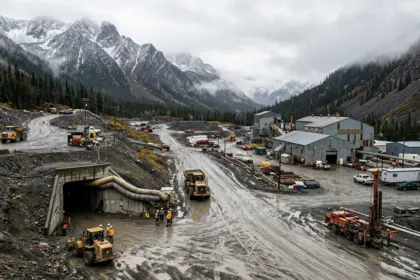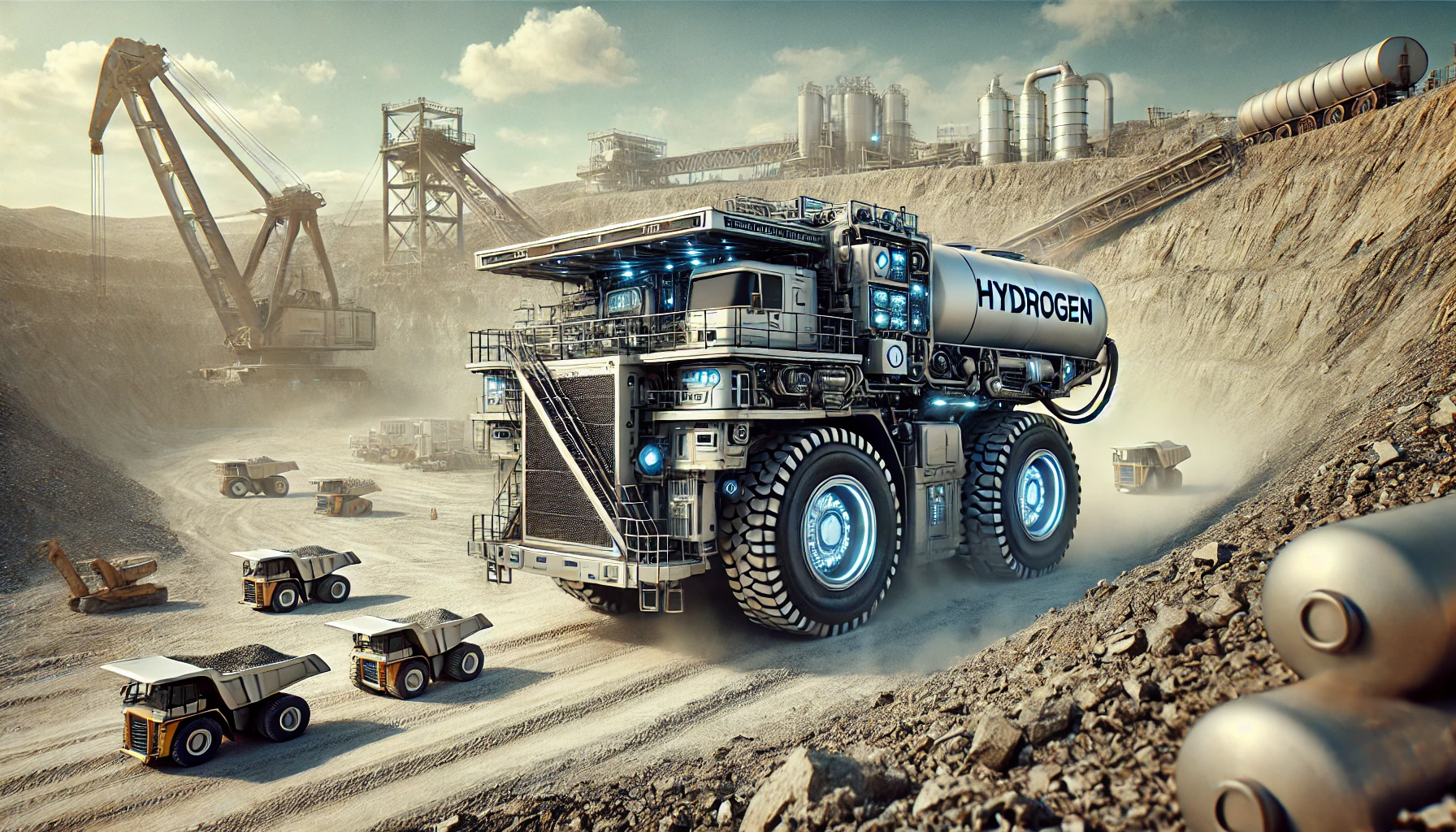

Hydrogen-powered mining trucks, though currently overshadowed by diesel-battery hybrid and all-battery electric vehicles, are gradually making strides. Utilizing hydrogen fuel cell-lithium battery systems, or FCEVs (Fuel Cell Electric Vehicles), these trucks offer a compelling solution for long-range, high-intensity operations. However, challenges surrounding hydrogen infrastructure have hindered their broader adoption—so far.
The Promise of Hydrogen in Mining
Hydrogen-powered mining trucks provide a key advantage over battery-electric vehicles by combining the environmental benefits of electrification with diesel-level range and refueling speed. This makes them particularly appealing for large-scale mining operations, where operational downtime carries high financial costs.
“Hydrogen has the potential to overcome the charging infrastructure bottleneck faced by battery-powered vehicles,” said Liu Xi, Director of the Shengli Energy Mechanical and Electrical Information Center. “It’s especially suited for extreme environments where continuous operations are essential.”
Related News
- US Gold Corp. Secures Key Permit for CK Gold Project, Eyes Production in Wyoming
- Global Effort Urged to Combat Illicit Gold Trade Funding Criminal Networks
- Boliden Nears Deal to Acquire Mines in Sweden and Portugal from Lundin Mining
- Australian Shares End Week Lower Amid China’s Stimulus Concerns, Mining Slump
Current Developments in Hydrogen Mining Trucks
Several hydrogen-powered mining trucks are currently under development or testing, with notable examples including:
- nuGen™ Haulage Solution: Developed by First Mode and Anglo American, this FCEV is based on the Komatsu 930E platform.
- Fortescue’s Europa: Built on the Liebherr T 264 platform, this vehicle is part of Fortescue’s green technology initiative.
- China’s Contributions:
- A 200-ton truck by Weichai and CRRC Yongji.
- The 150-ton NTH150 by Inner Mongolia North Hauler.
- A 240-ton truck under development by CHN Energy and XCMG.
A standout project is the 110-ton HT3110E, created by Aerospace Heavy Industry (AHI) in partnership with Reshape Energy. Operating at the Shengli coal mine in Inner Mongolia, this truck is not only hydrogen-powered but also autonomous, integrating cutting-edge haulage technology from TAGE Idriver.
Overcoming Challenges in Hydrogen Adoption
The primary hurdle for hydrogen-powered mining trucks remains the lack of widespread hydrogen production and supply infrastructure. However, strategic investments in green hydrogen ecosystems may help address this issue. For instance:
- Chile’s Hydrogen Valleys: Aims to establish a sustainable hydrogen supply chain, offering a model for other mining regions.
- China’s Centralized Approach: The HT3110E truck at the Shengli mine exemplifies state-supported hydrogen development through SASAC’s ‘1025’ initiative, showcasing the role of centralized planning in advancing hydrogen technology.
Hydrogen in Extreme Conditions
The HT3110E demonstrates hydrogen’s adaptability to challenging environments. Operating in the Shengli coal mine, where temperatures range from -25°C to 30°C, the truck’s fuel cell system has been modified for enhanced heat dissipation and vibration resistance. With a hydrogen storage capacity of 5,052 liters, the HT3110E offsets 320,000 liters of diesel annually, reducing carbon emissions by over 230 tons.
The Road Ahead
As the mining industry continues its decarbonization journey, hydrogen-powered trucks are positioned as a transformative technology. Although battery-electric vehicles dominate current conversations, hydrogen-powered alternatives offer compelling parity with diesel in terms of range and operational flexibility, particularly in extreme environments.
Future growth will depend on:
- Government Support: Grants for green hydrogen initiatives could play a pivotal role in developing hydrogen infrastructure.
- Technological Advances: Refinements in fuel cell technology will further improve performance and cost-efficiency.
Hydrogen-powered mining trucks are still in their early stages, but their potential to revolutionize heavy-duty operations is undeniable. While the timeline for widespread adoption remains uncertain, hydrogen is on track to become a standard technology in mining logistics.
The real question is no longer if hydrogen will play a critical role in the mining industry but when it will redefine how mining trucks operate.