
The Navajo Nation is taking decisive action to enforce its 2012 law banning uranium transportation across its lands, a move that highlights ongoing tensions between tribal sovereignty and federal regulations.
Background and Historical Context
The Navajo Nation’s history with uranium mining dates back to World War II when the U.S. government was the sole purchaser of uranium ore. This led to extensive mining operations on Navajo lands, which resulted in severe health and environmental consequences for the Navajo people. The high rates of lung cancer and other illnesses among miners eventually led to the passage of the Radiation Exposure Compensation Act (RECA) in 1990, providing financial compensation to affected miners.
Read more
- Serbian Protests Erupt Over Environmental Concerns Linked to Rio Tinto’s Lithium Plans
- Vietnam’s Rare Earth Industry Shaken by Arrest of Key Figures
- Tribal Nations and Environmentalists Unite Against Grand Canyon Uranium Mining
- Local Resistance Grows Against Lithium Mining in Portugal
- Tesla Stock Surge Drives Demand for Critical EV Minerals
Recent Developments
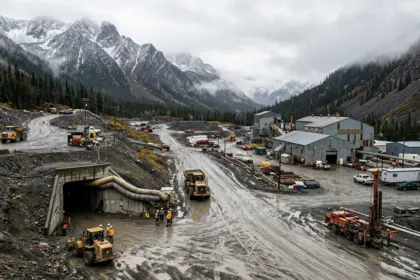
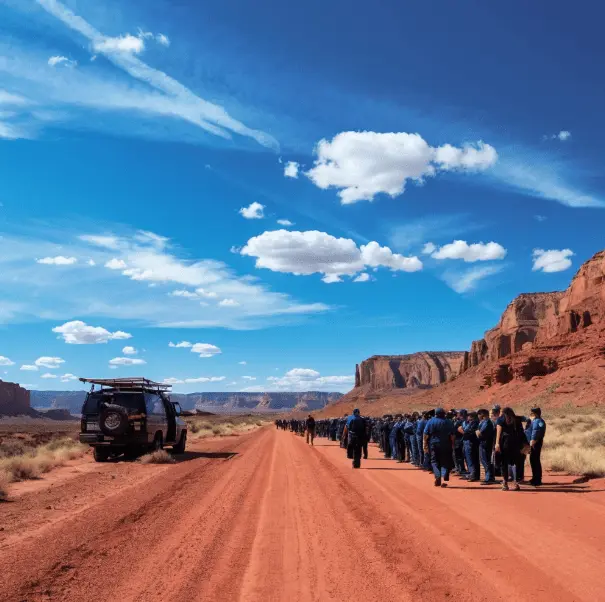
On July 30, 2024, Navajo Nation President Buu Nygren ordered tribal police to set up roadblocks on federal highways to prevent trucks carrying uranium from passing through Navajo lands. This action came after Energy Fuels Inc. began transporting uranium ore from the Pinyon Plain Mine near the Grand Canyon without notifying the tribe, as previously agreed.
“The lack of notification to the Navajo Nation is a blatant disregard for our tribal sovereignty and exposes our Diné people to toxic uranium, a substance that has devastated our community for decades,” President Nygren stated.
Legal and Environmental Implications
The 2012 tribal law banning uranium transportation includes exceptions for certain state and federal highways. However, the recent shipment by Energy Fuels Inc. did not adhere to the agreed-upon notification process, prompting immediate action from tribal authorities[3][5].
Energy Fuels Inc. defended its actions, stating that the uranium ore poses no significant threat to public health or the environment. “Tens of thousands of trucks have safely transported uranium ore across northern Arizona since the 1980s with no adverse health or environmental effects,” said Mark Chalmers, President and CEO of Energy Fuels.
Broader Impact and Future Actions
The Navajo Nation’s enforcement of its uranium transportation ban underscores the broader struggle for tribal sovereignty and environmental justice. The tribe has long battled the health and environmental fallout from uranium mining, and this latest incident has reignited these issues.
President Nygren has vowed to continue using roadblocks and other measures to prevent future shipments of uranium through Navajo lands. “As president, I do not approve of this transport and will continue to fight to ensure our people are protected from the actions of Energy Fuels,” Nygren declared.